Value Creation Between Nature and Architecture
ZHAW Studio Urban Project | FS26
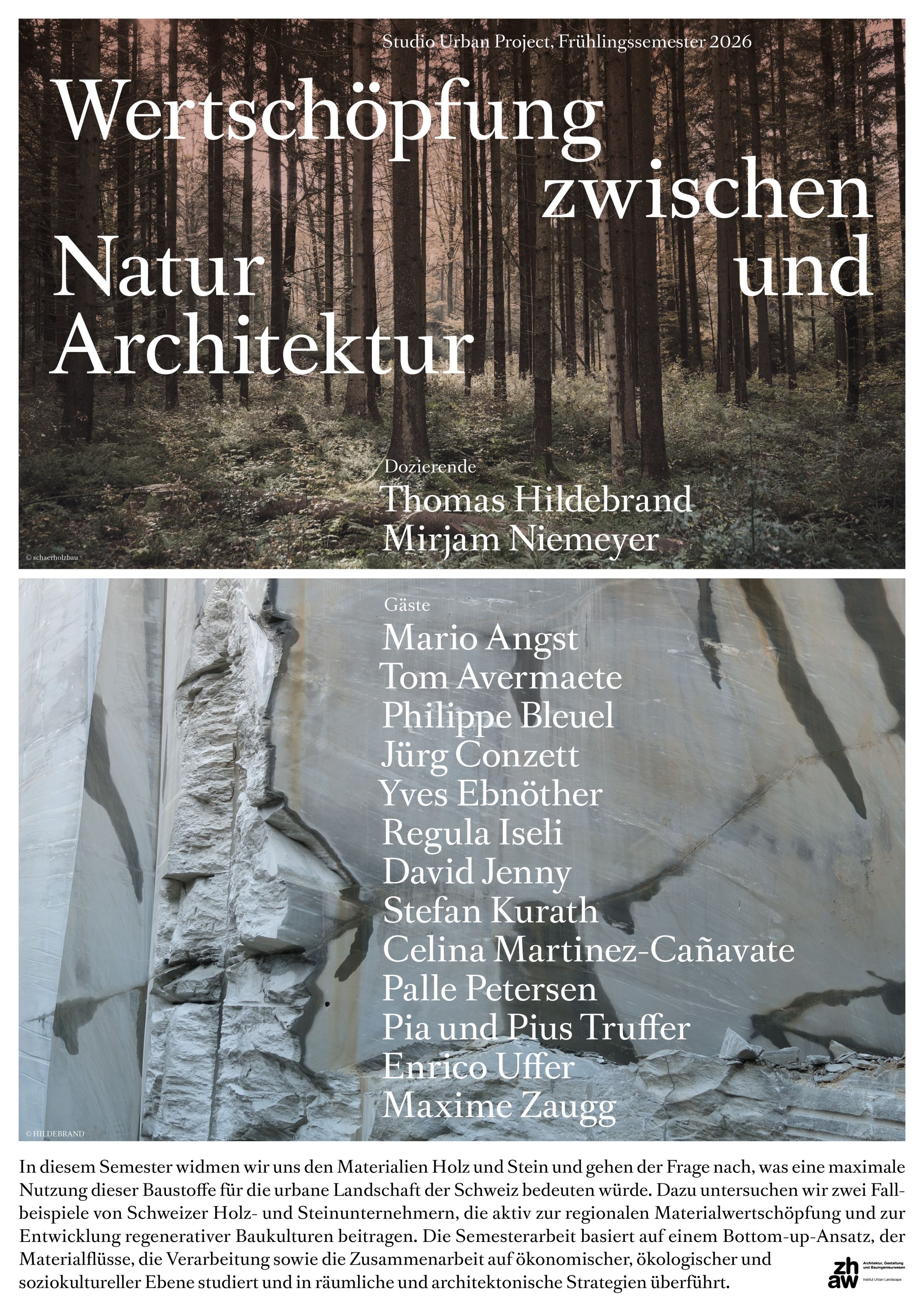
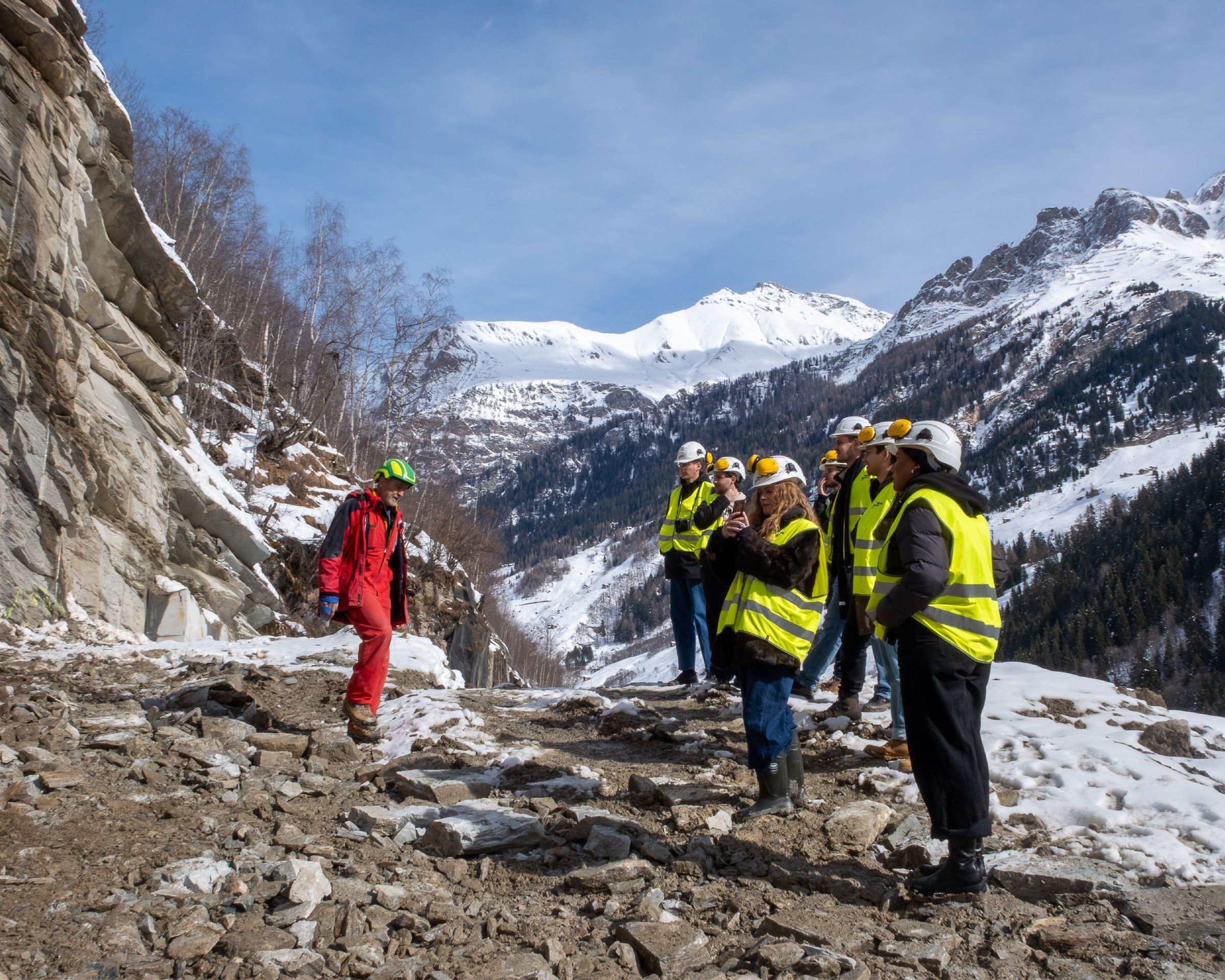
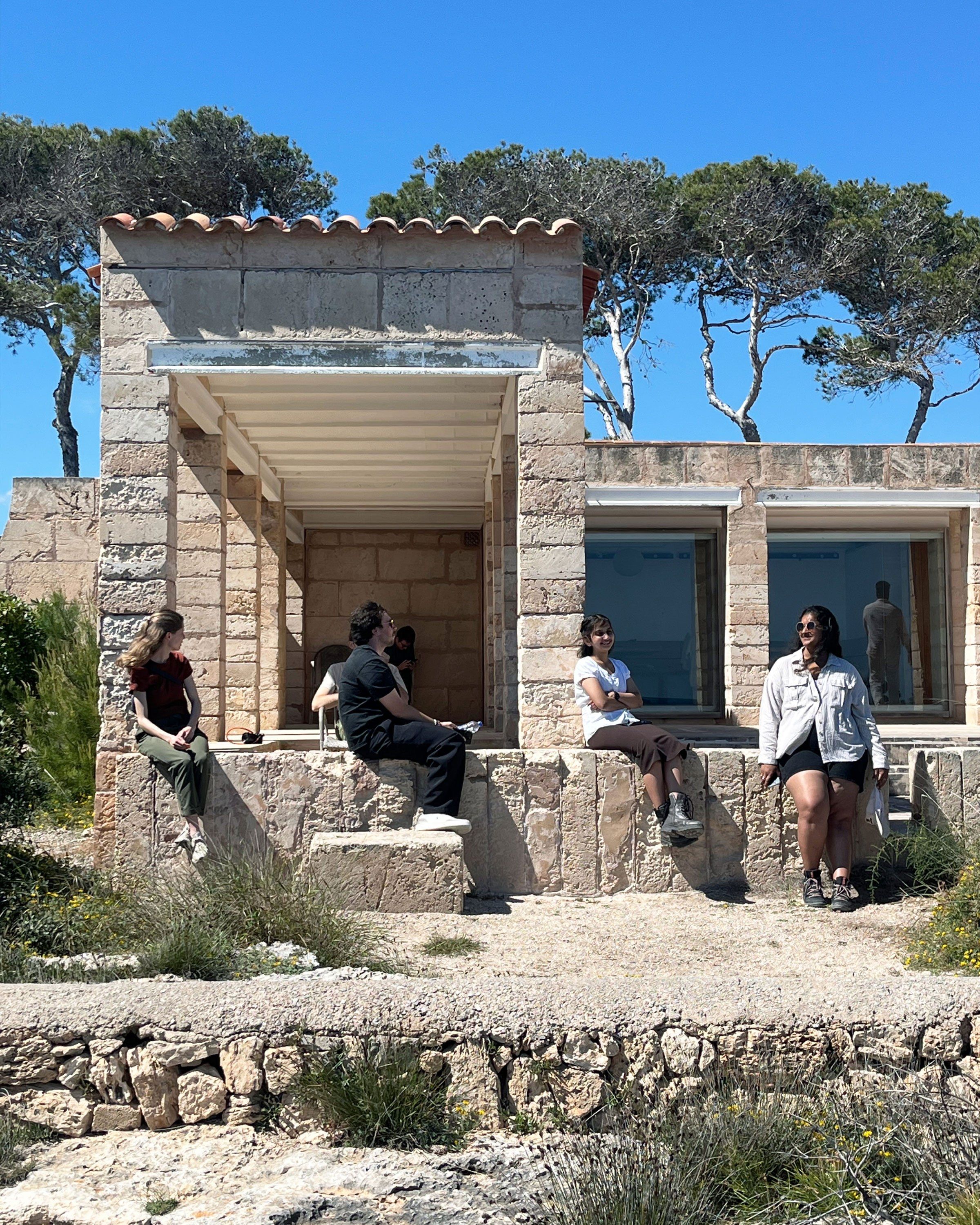
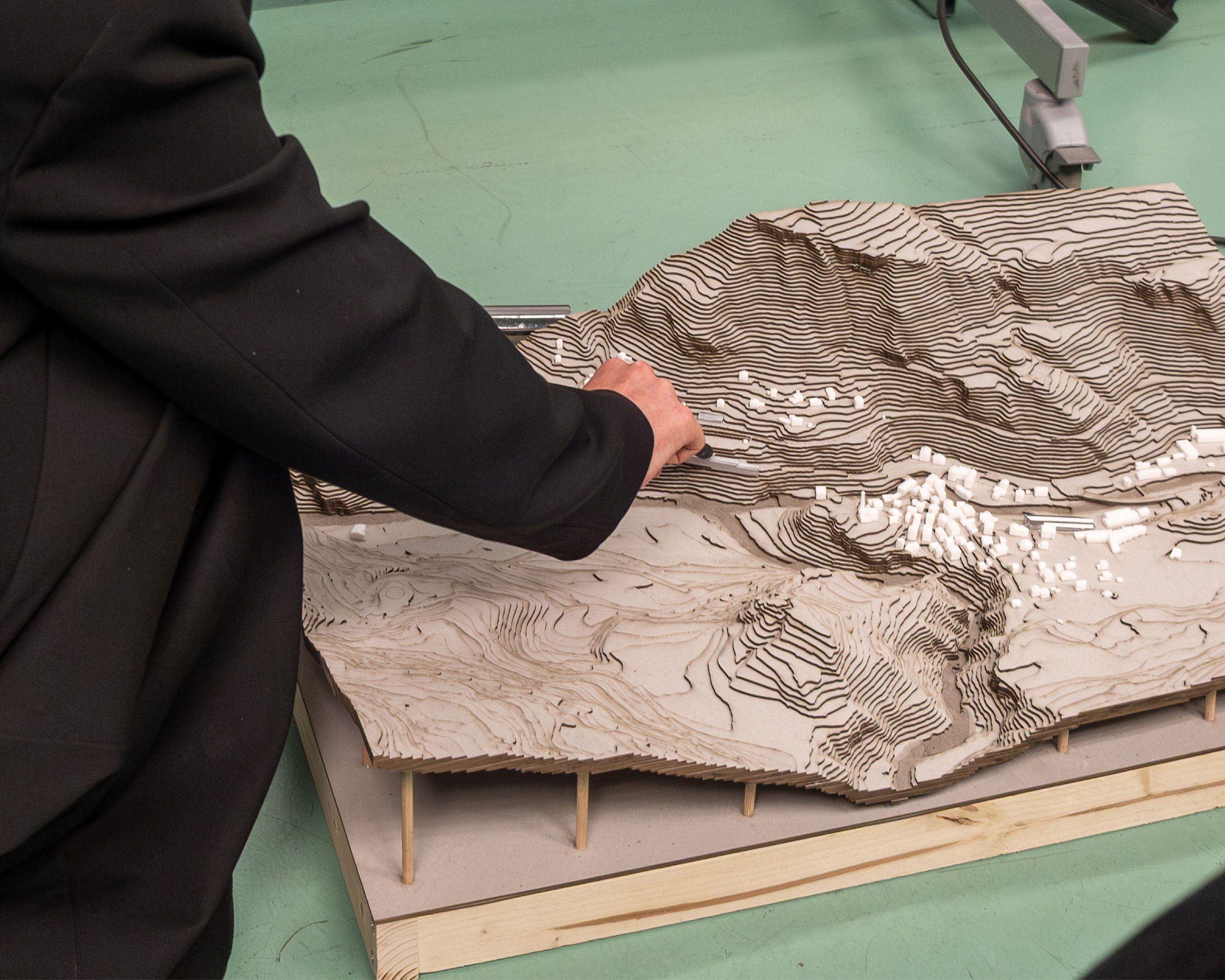
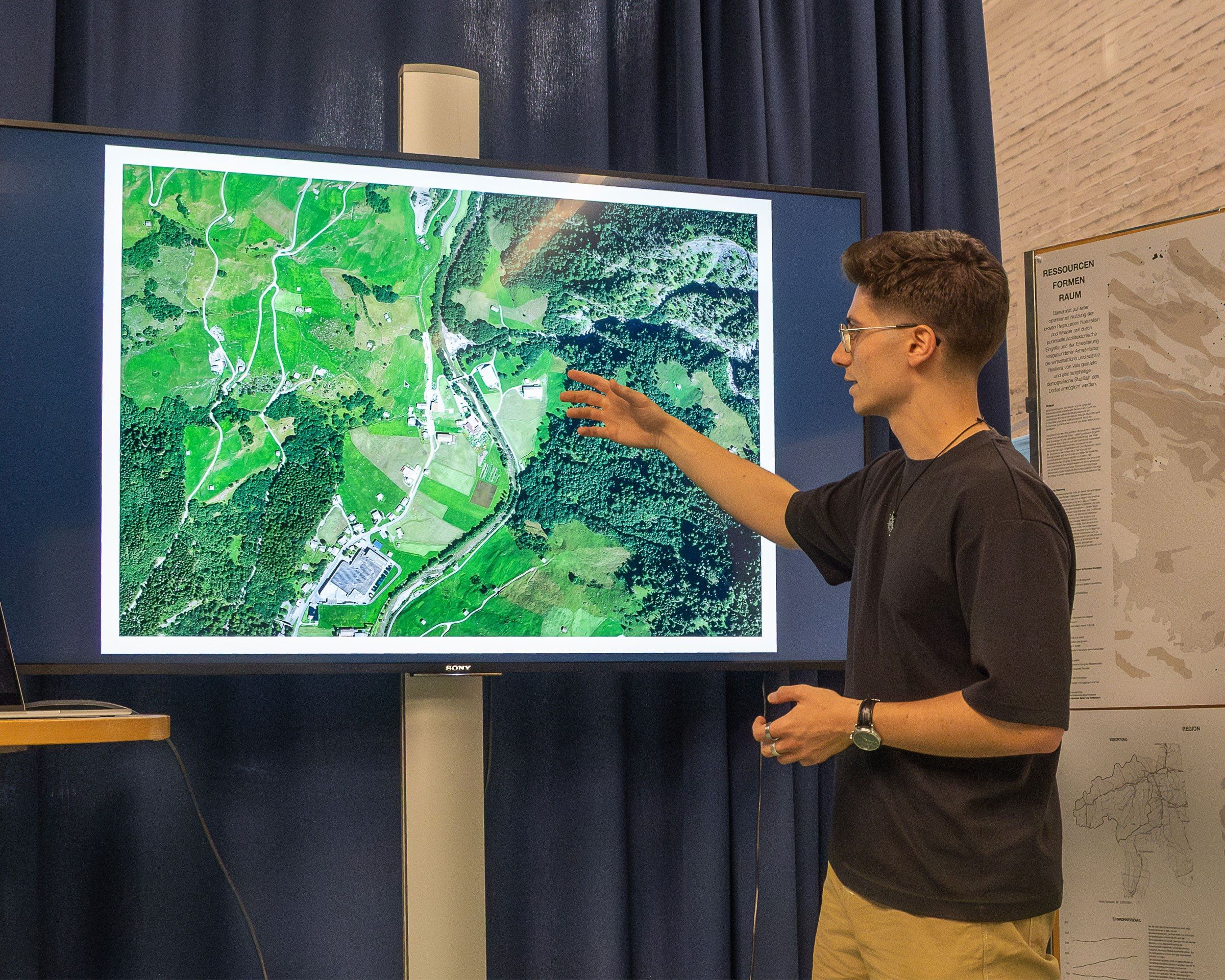
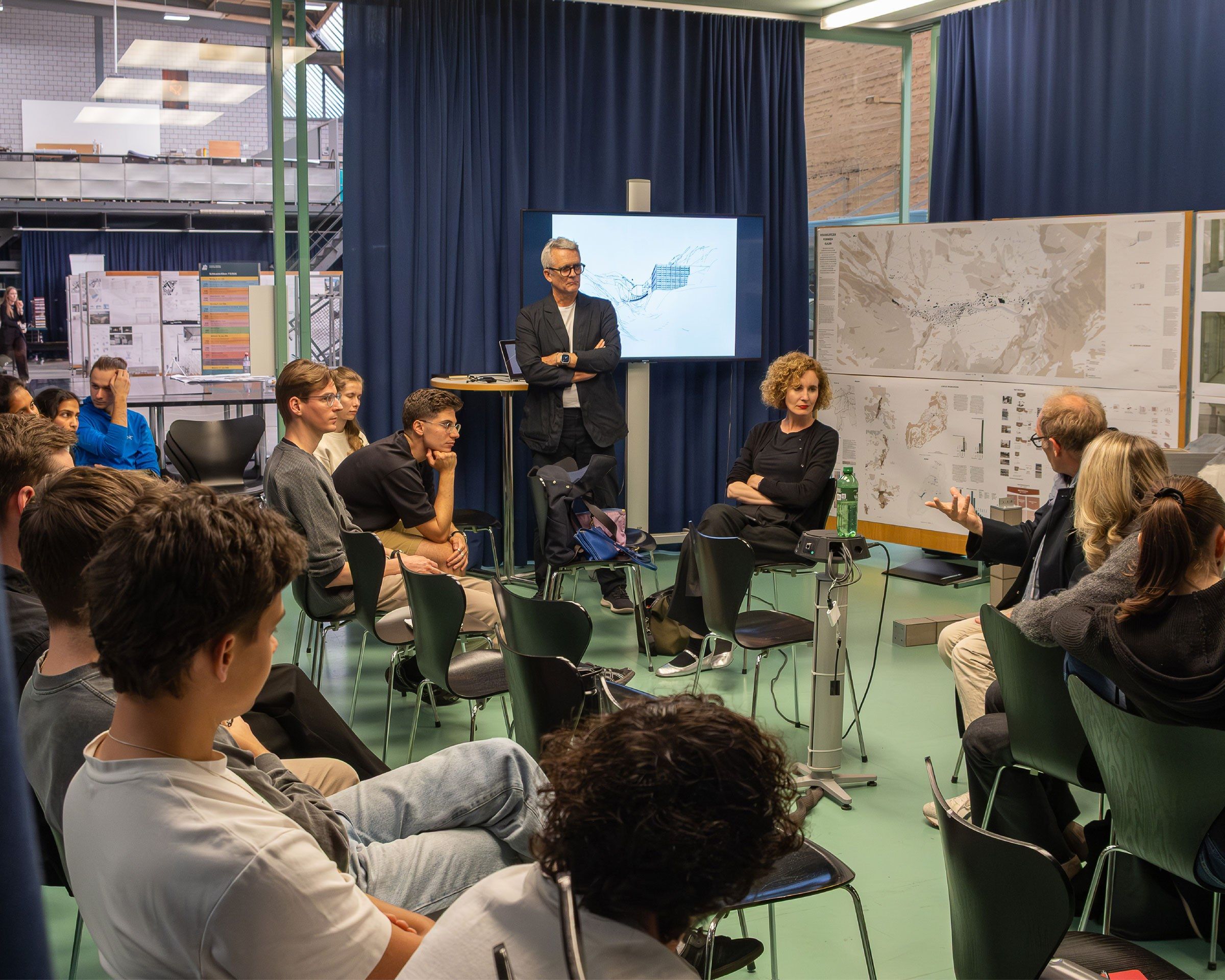
In the Spring Semester 2026, the Master Studio at the Institute of Urban Landscape, Department of Architecture, Design and Civil Engineering at ZHAW explored the materials timber and stone. The studio investigated what the maximum use of these construction materials could mean for the urban landscape of Switzerland. To this end, two case studies of Swiss timber and stone enterprises were examined, both actively contributing to regional material value creation and the development of regenerative building cultures. The semester project was based on a bottom-up approach that investigated material flows, processing methods, and forms of collaboration across economic, ecological, and sociocultural dimensions, translating these findings into spatial and architectural strategies.
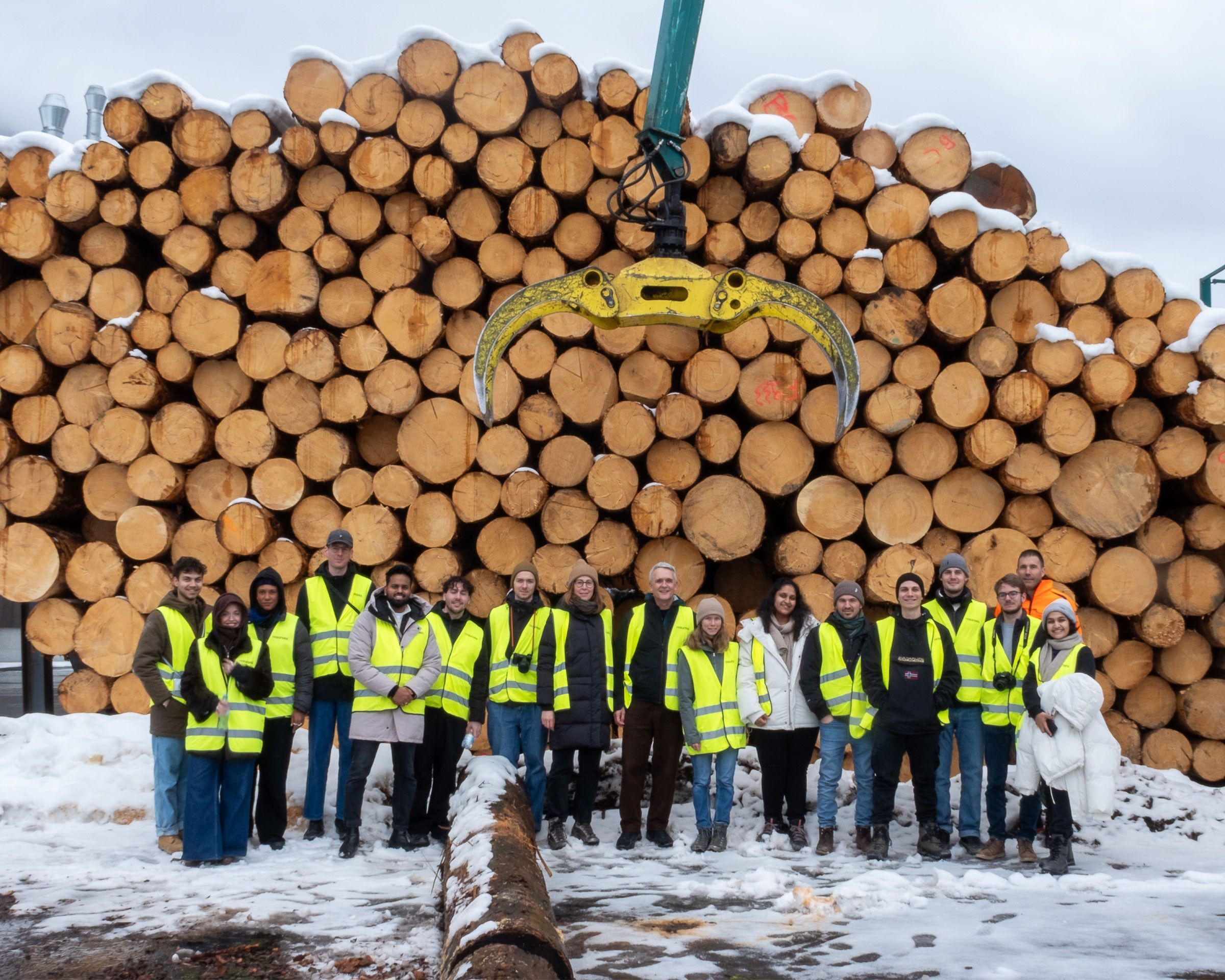
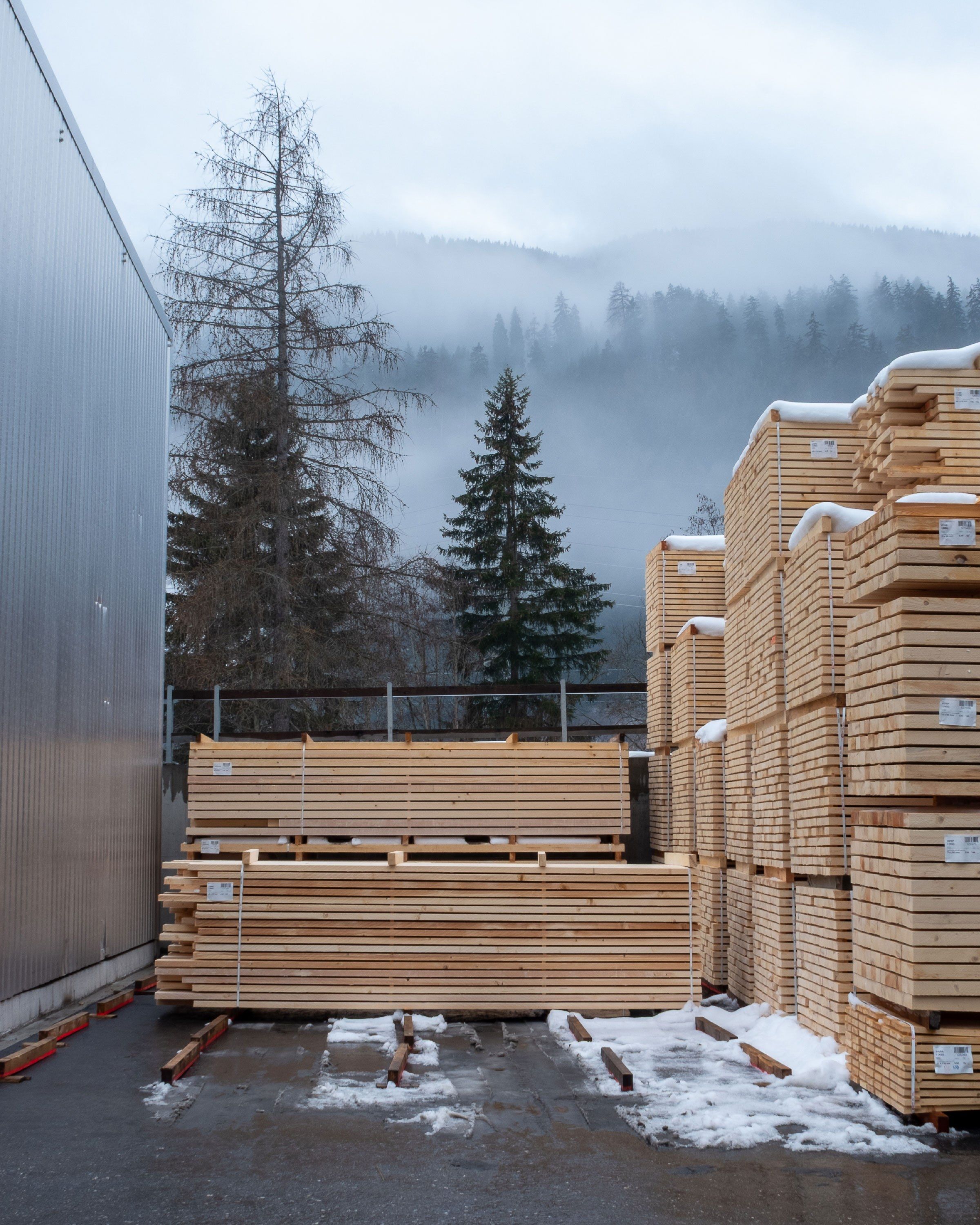
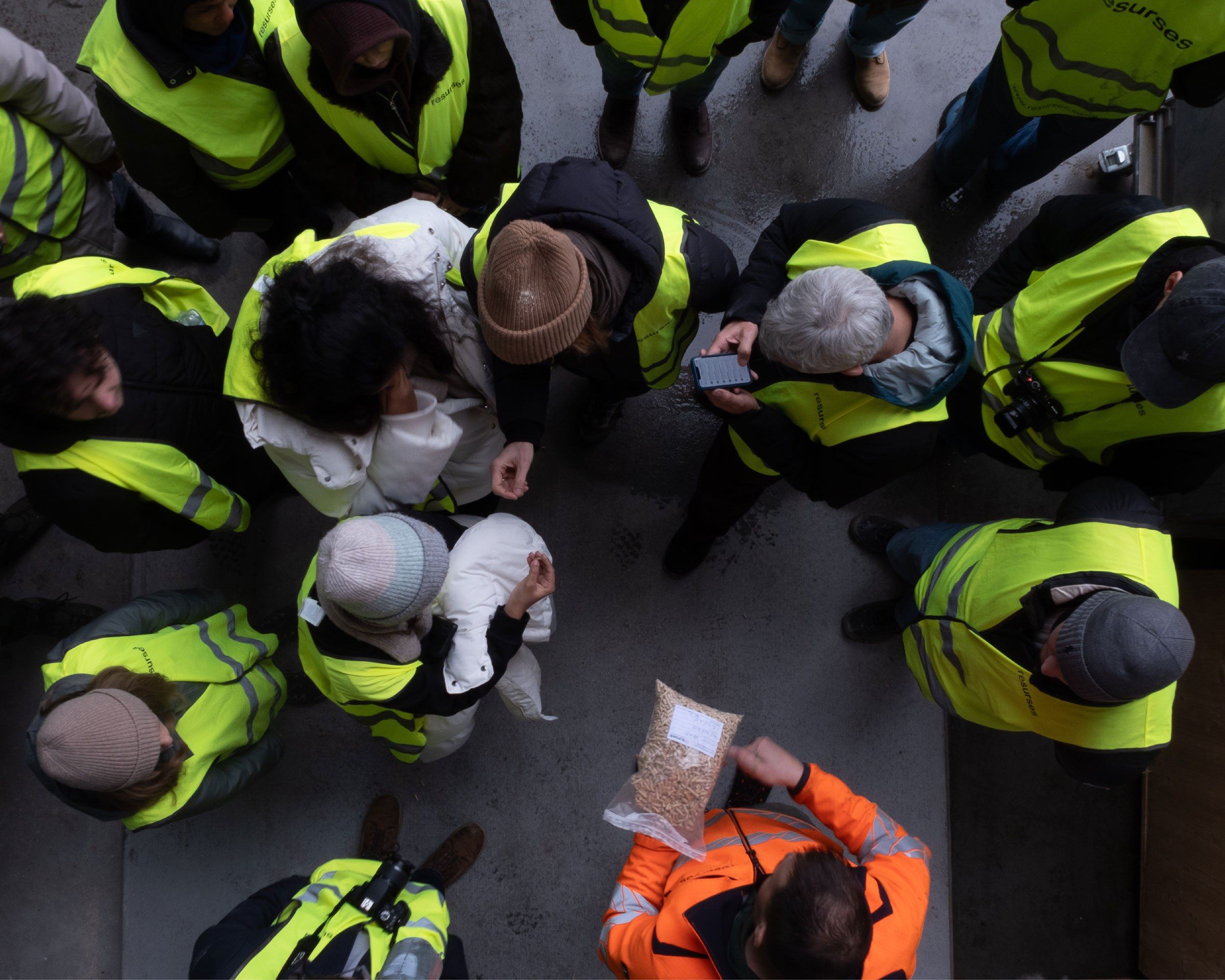
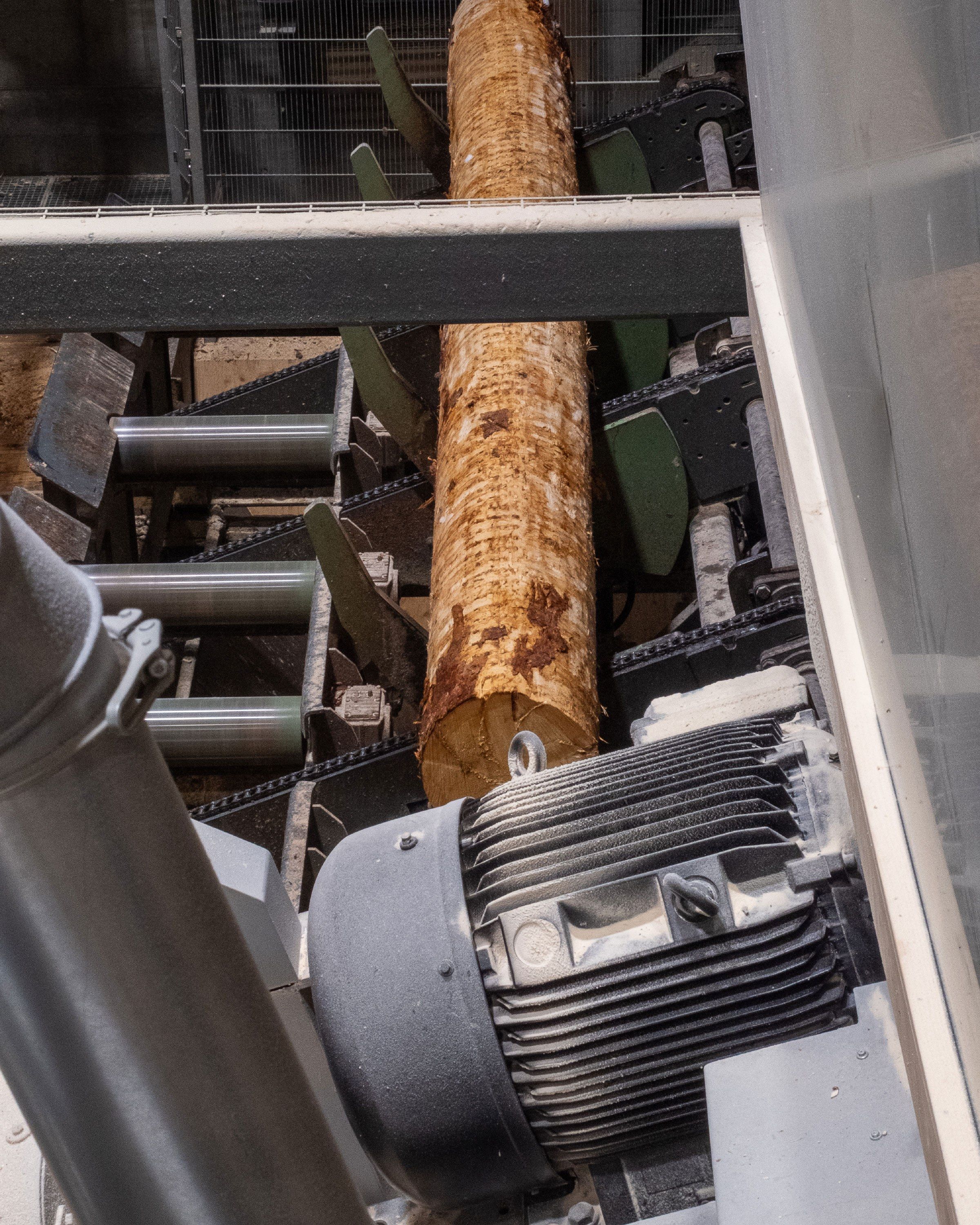
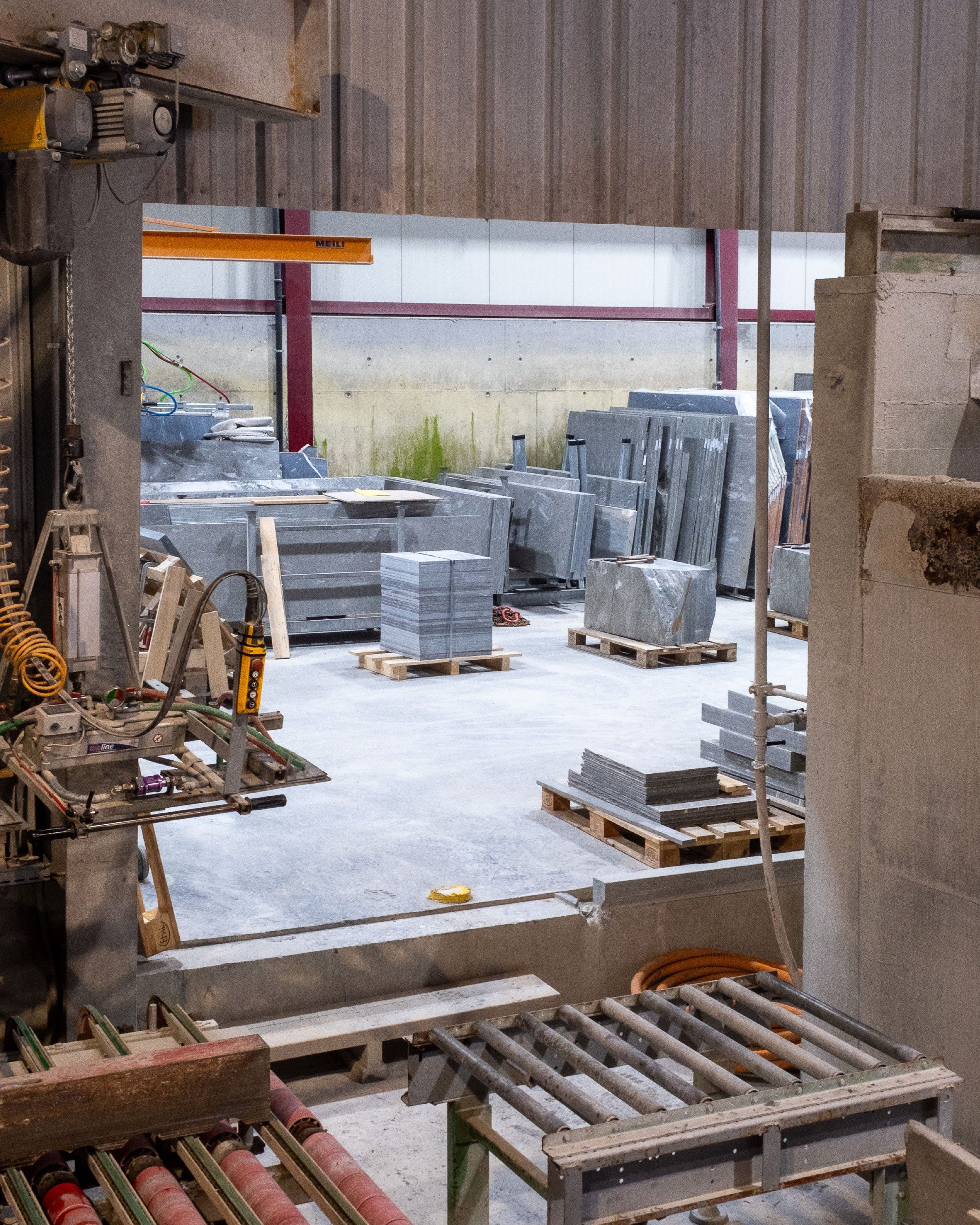
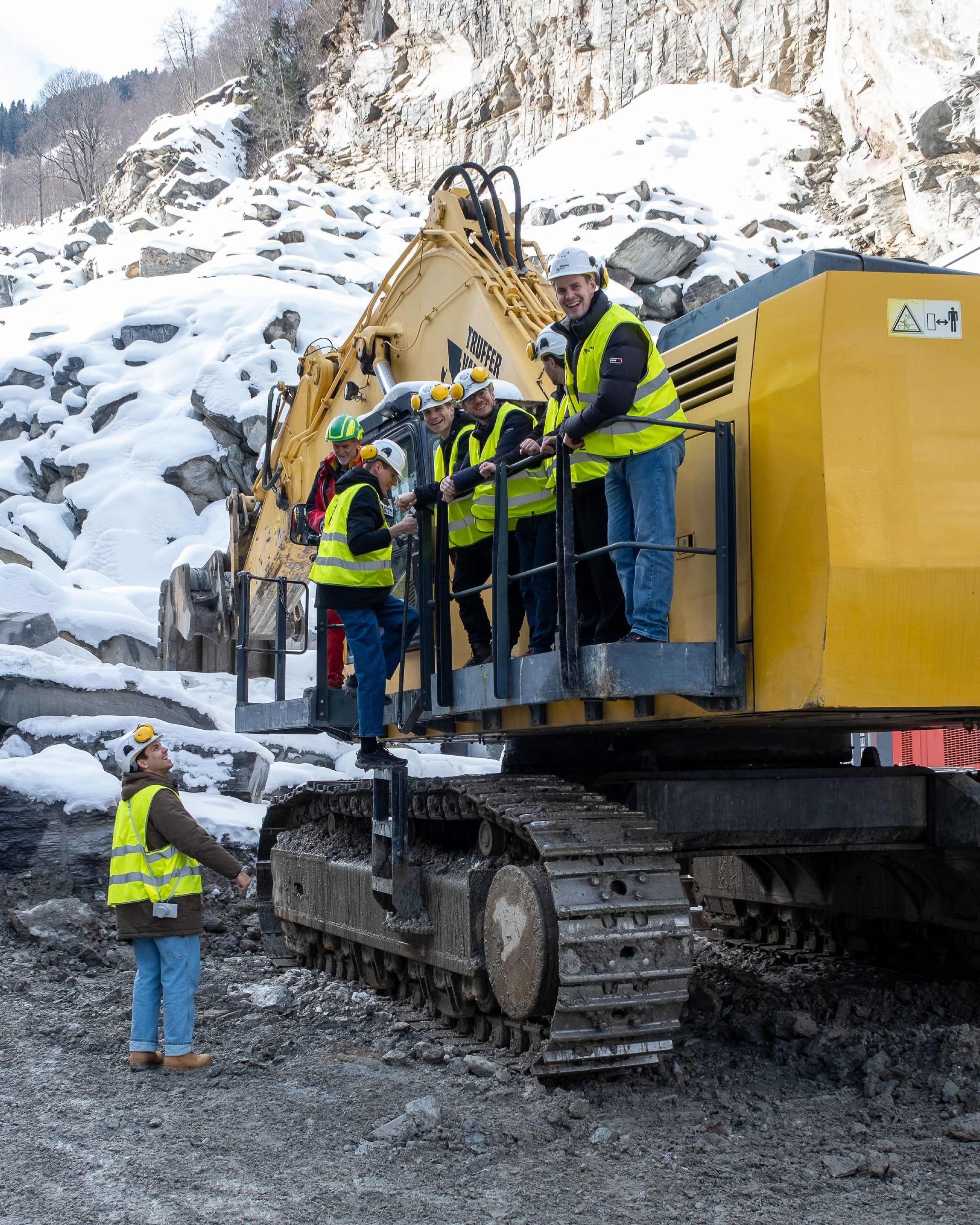
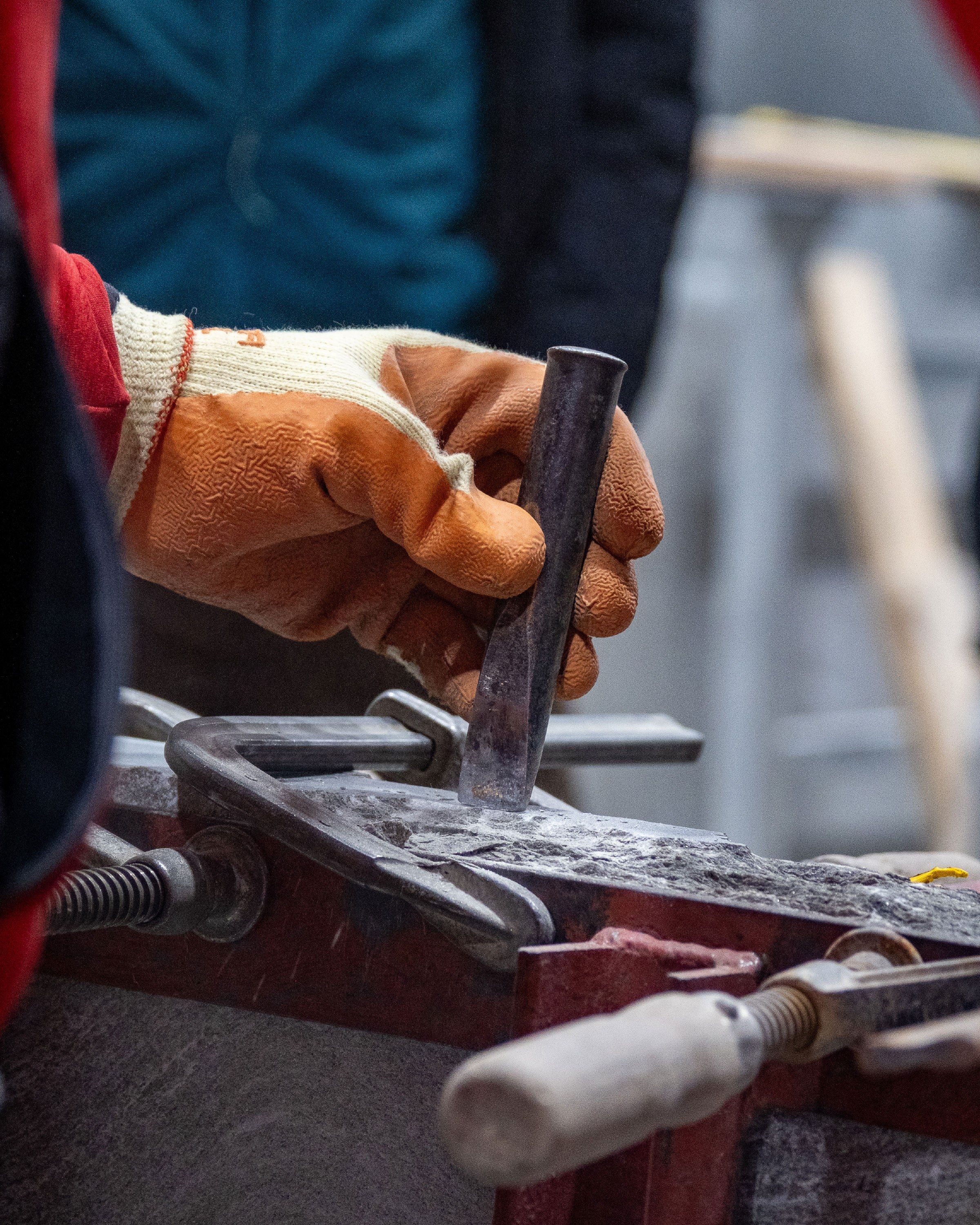
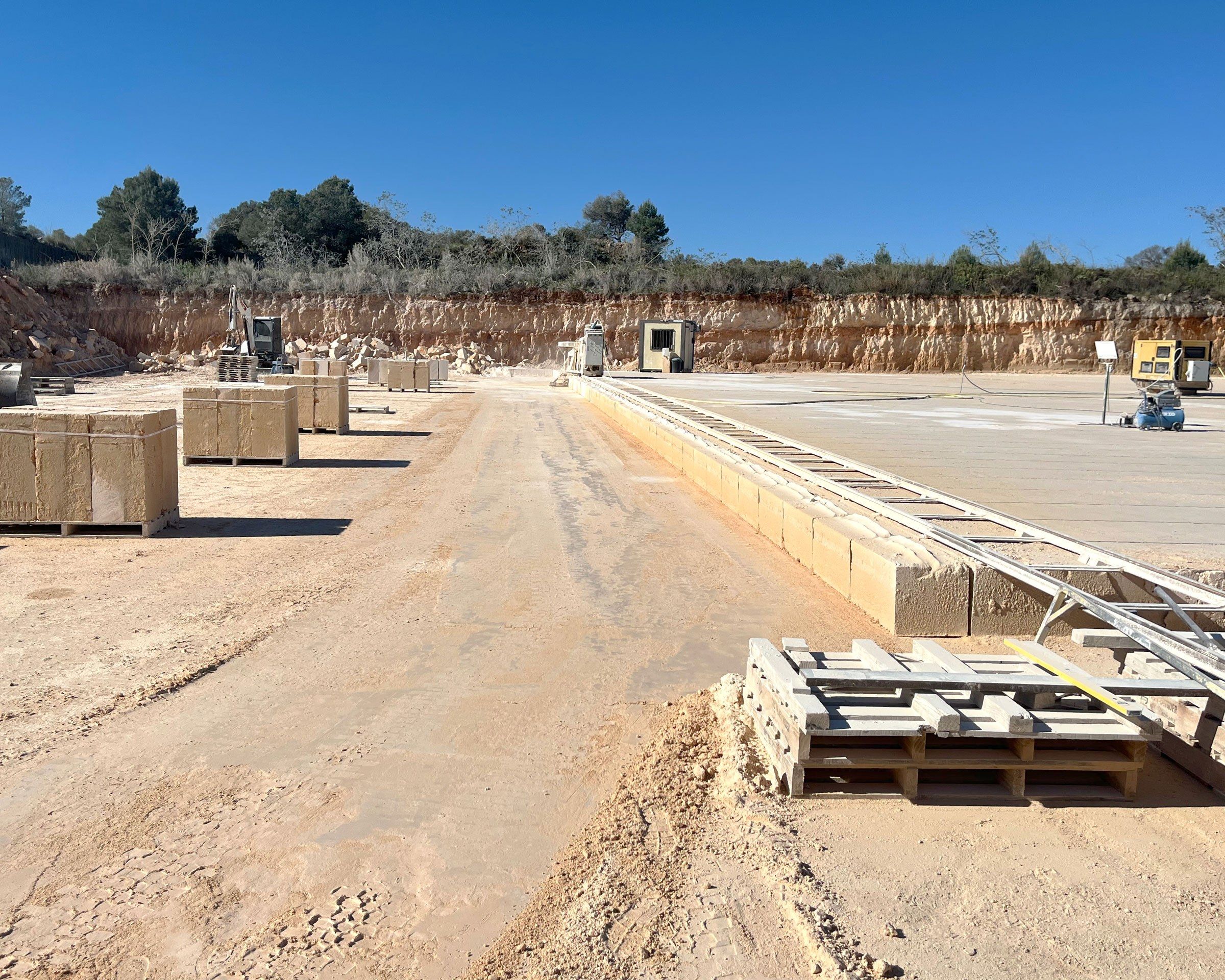
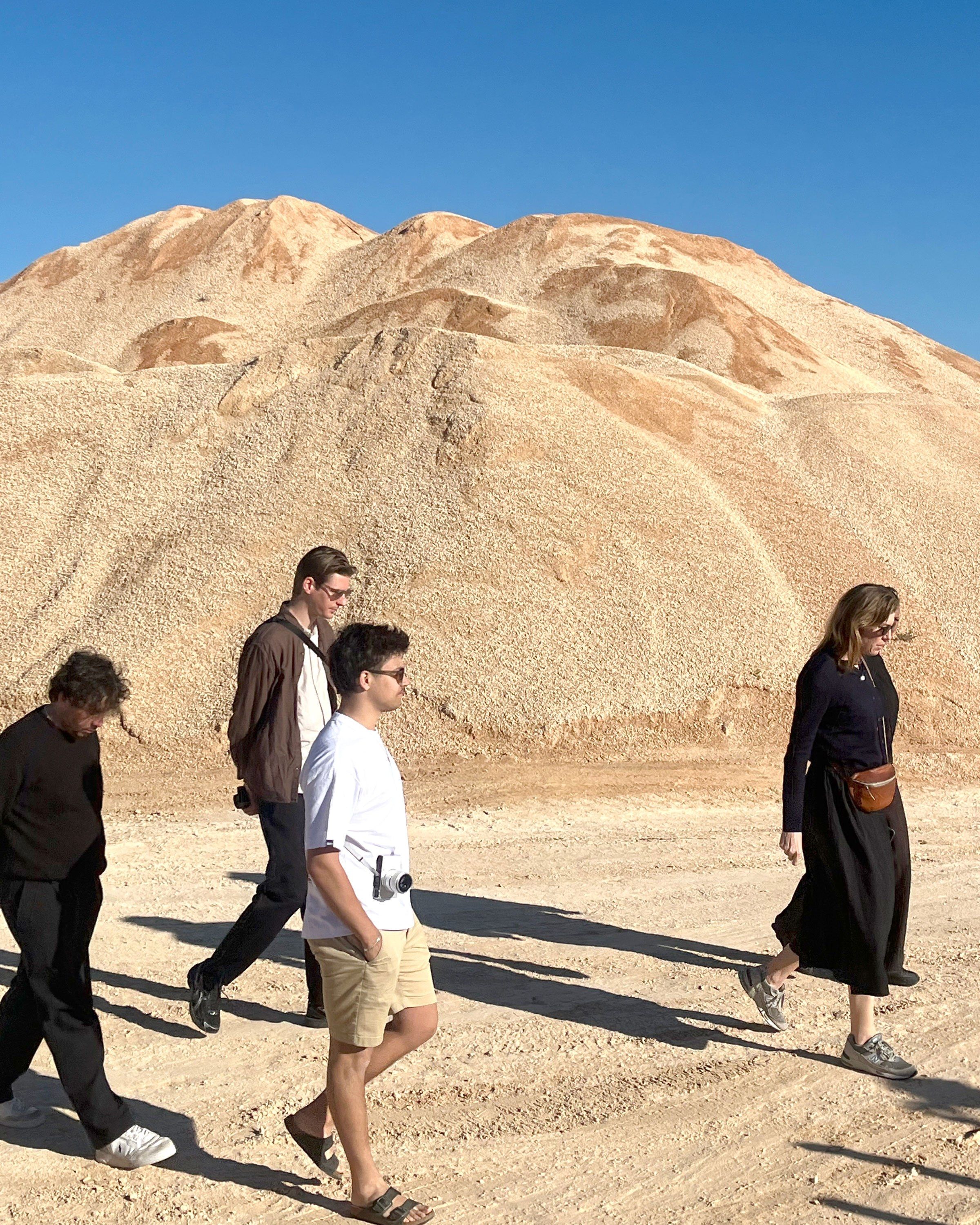
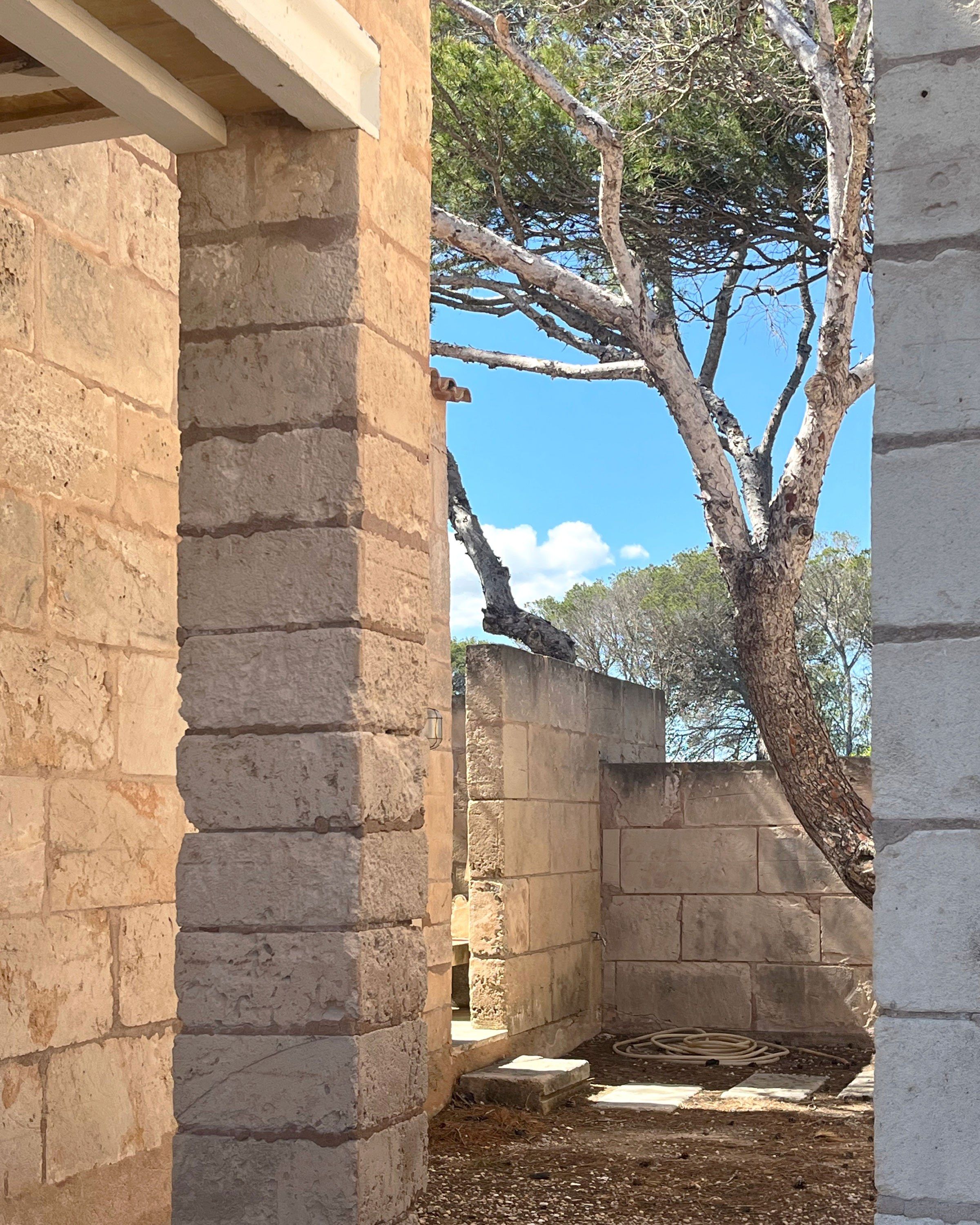
The process began at the origin of the value chains in Savognin: with the forester in the forest, the sawyer at the sawmill, the timber builder in the workshop, and the carpenters on the construction site. In Vals, the focus shifted to the quarry and the blasting specialist, the stone workshop and the stonemason, as well as the construction site and the mason. Through this process, a comprehensive understanding emerged of local materials and craft traditions, the landscape as a living environment, the legal frameworks, and the social relationships strengthened through this multifaceted interplay.
The timber and stone industries make use of local resources while simultaneously contributing to the preservation and promotion of regional identity. As economic actors working directly with the landscape and its resources, both industries act as both producers and custodians of regional identity. Their processes ware characterised by operating across scales, generations, and disciplines, thereby contributing to the resilience of a region.
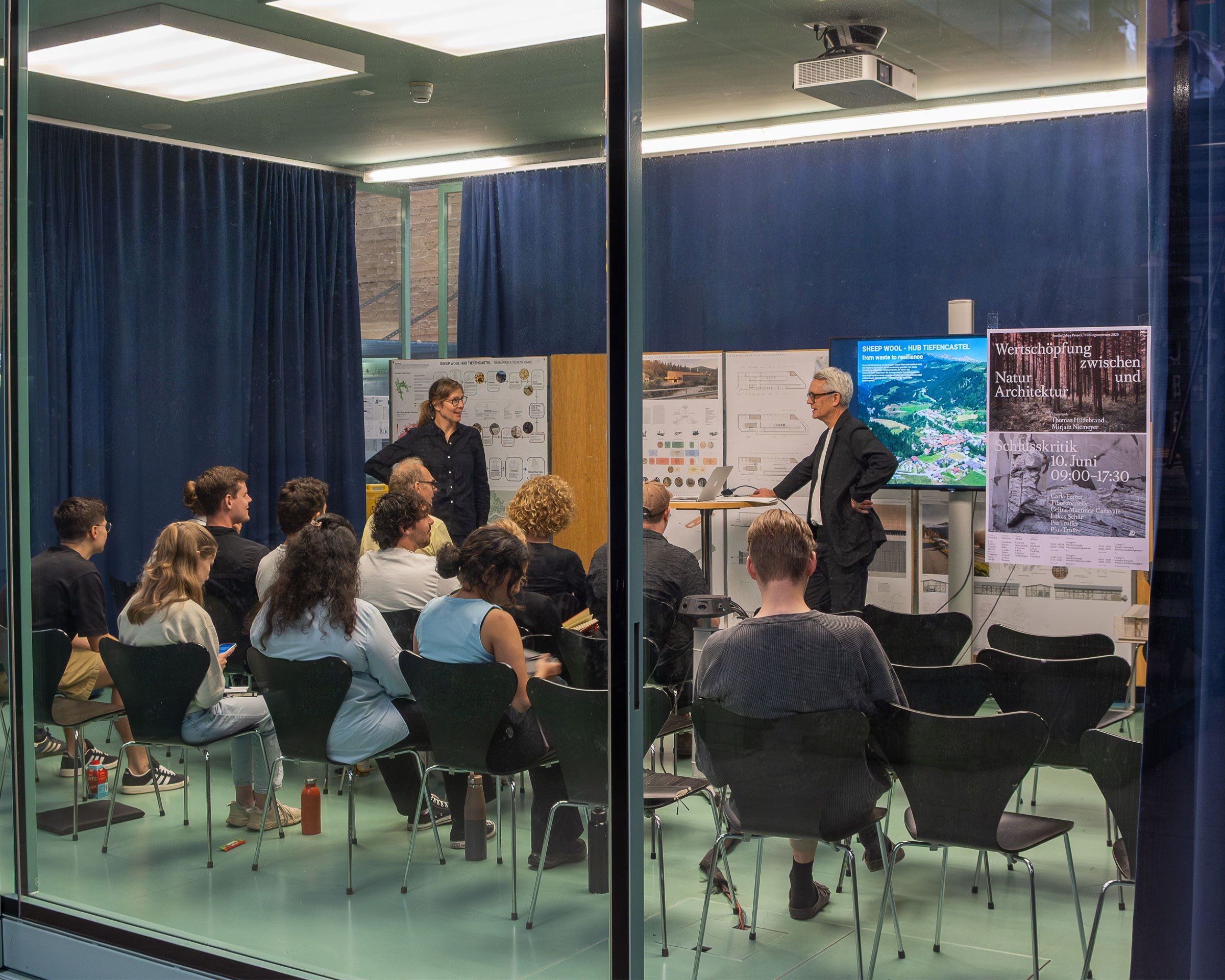
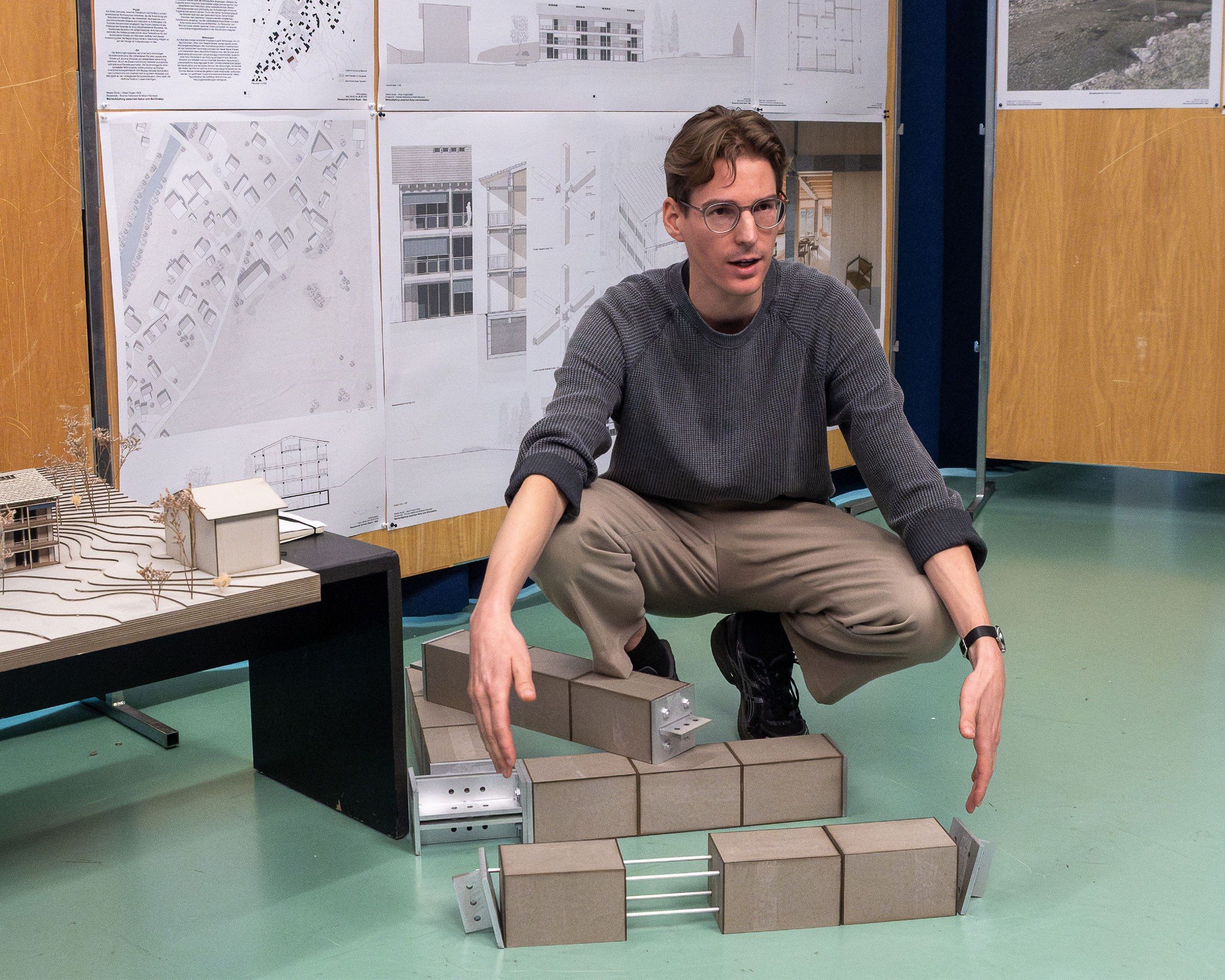
In collaboration with the participating companies and representatives of the canton, the studio investigated where, at which scales, and by what means the respective value chains could be strengthened in the future. The focus lay on two scales of intervention: on the one hand, the spatial-regional scale, which aimed to improve the conditions for access to, extraction of, and processing of natural resources; and on the other hand, the material and constructive scale, on which new high-value hybrid building components—and with them new building typologies.
Project
Impressions
Department
ZHAW | School of Architecture, Design and Civil Engineering
Semester
Spring 2026
Lecturers
Thomas Hildebrand, Mirjam NiemeyerProject Partners
Pia and Pius Truffer | Truffer AG, Vals
Enrico Uffer | UFFER Holzbau AG, Savognin
Guest Lecturers
Mario Angst, Tom Avermaete, Philippe Bleuel, Jürg Conzett, Yves Ebnöther, Carla Ferrer, Regula Iseli, David Jenny, Tibor Joanelly, Thomas Kissling, Stefan Kurath, Celina Martinez-Cañavate, Palle Petersen, Lukas Schär, Maxime ZauggRelated
Natural Stone Talks at the Quarry – Material and Technology, Pro Naturstein | Müller Quarry, Eschenbach | 25.08.2026
We choose_
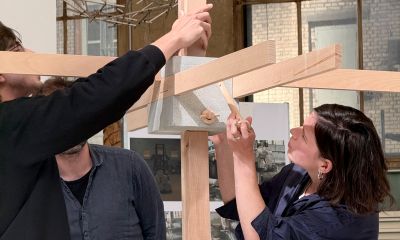
Wood and the City – Wood & Stone, ZHAW Summer School | 30.08.2025 – 07.09.2025
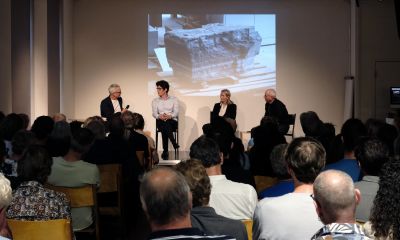
Insights – «Natur-Werk-Stein II», Schweizer Baumuster-Centrale | Zurich | 05.09.2024

Wood and the City – Care & Repair, ZHAW Summer School | 31.08.2024 – 08.09.2024

Wood and the City – Bioregion & Industry, ZHAW Summer School | 02.09.2023 – 10.09.2023