Wood and the City – Care & Repair
ZHAW Summer School | 31.08.2024 – 08.09.2024
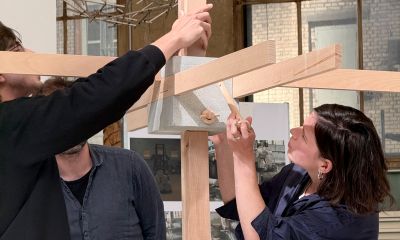
In the 2024 International Summer School “Wood and The City” at the ZHAW School of Architecture, Design and Civil Engineering, we explored the concept of design for “Care & Repair.” We examined the use and reuse of wood and other bio-based construction materials by looking simultaneously into the past and the future.
The “Re” Era in the Construction Sector
Today’s economic system—driven by innovation, growth, and consumption-based exploitation—has led to relentless strain on people and nature. Architecture plays a significant role in this, as statistics on greenhouse gas emissions and construction and demolition waste show. The construction sector is a key leverage point: worldwide, building and facility management account for roughly one-third of carbon emissions and energy demand, as well as about half of raw material consumption.
The future of our cities lies largely in the infrastructure and buildings that already exist. Therefore, the construction sector must decisively move into a “Re” era: reducing resource and energy use, repairing existing structures, and reusing materials, buildings, and building components. This also requires a new understanding of our relationship to nature and the reduction of social inequalities.
Wood as a Building Material of the Future
The need for a widely discussed systemic shift in the construction sector is undeniable and implies a greater use of sustainable materials in the future. Wood can play a crucial role: with its naturally low carbon footprint and impressive physical properties, it offers a powerful pathway to resilient building practices. However, its effectiveness depends on several key factors, including thoughtful and knowledgeable use by planners and developers, responsible and holistic building management that considers life cycles, and ecologically sound forest stewardship.
Building in the Existing Fabric: Care & Repair
As a society, we must find ways to contribute individually to reversing global warming and adapting to changing conditions in our biological and social ecosystems. Working with the existing building stock is one of many responses and requires a reassessment of the role of architects and other professionals. Together, we must foster a resilient culture of “Care & Repair” in architecture.
Innovation Based on Tradition
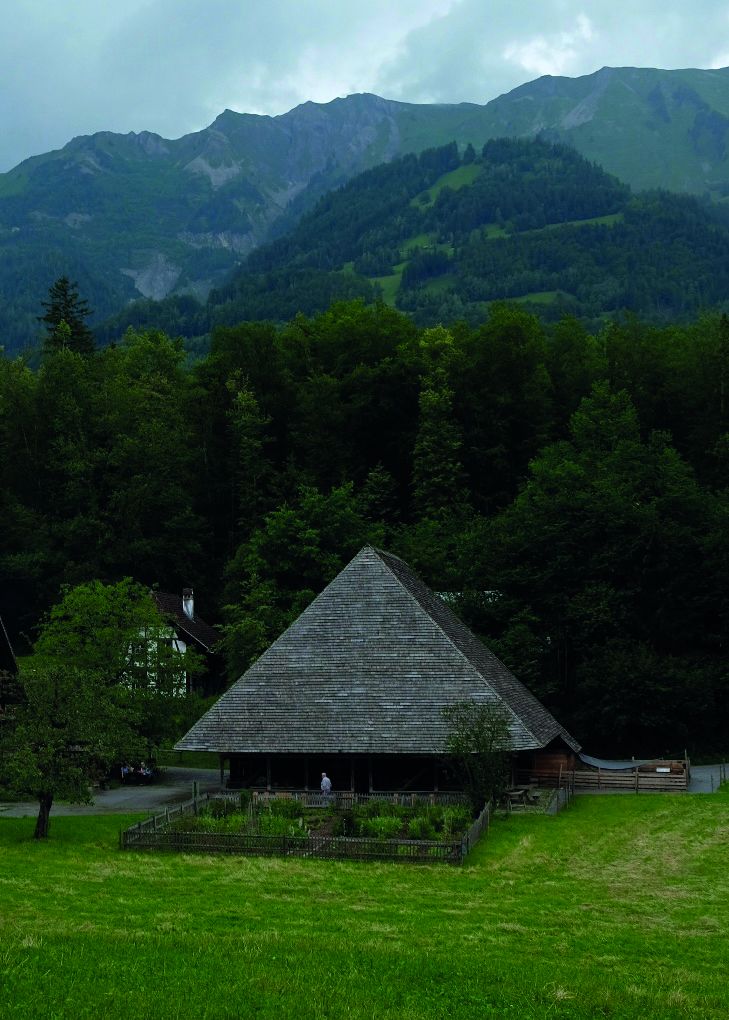
Using the Swiss Open-Air Museum Ballenberg as a reference—through the analysis of past traditions and current innovations explored in lectures and site visits, and by considering landscape carrying capacity and available building resources—the students designed future-oriented architectural projects.
Organized by the Institute Urban Landscape (IUL) and partner institutions—together with the University of Antwerp, Faculty of Design Sciences and Architecture (Antwerp, Belgium), the industry partner ERNE Holzbau AG, and external experts—the Summer School addressed challenging questions concerning the use of wood and other bio-based materials and laid the groundwork for further stimulating discussions in the future.
Project

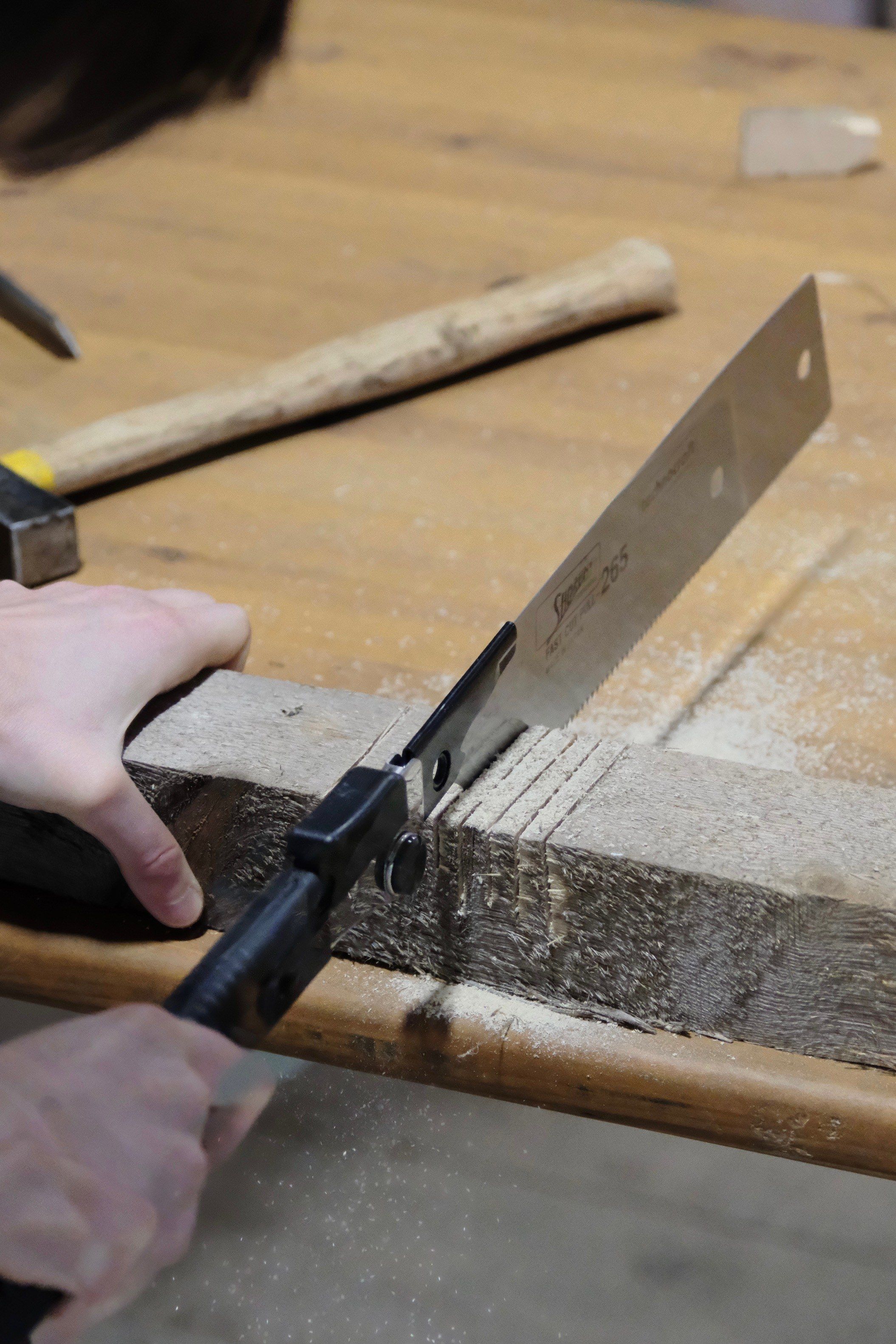
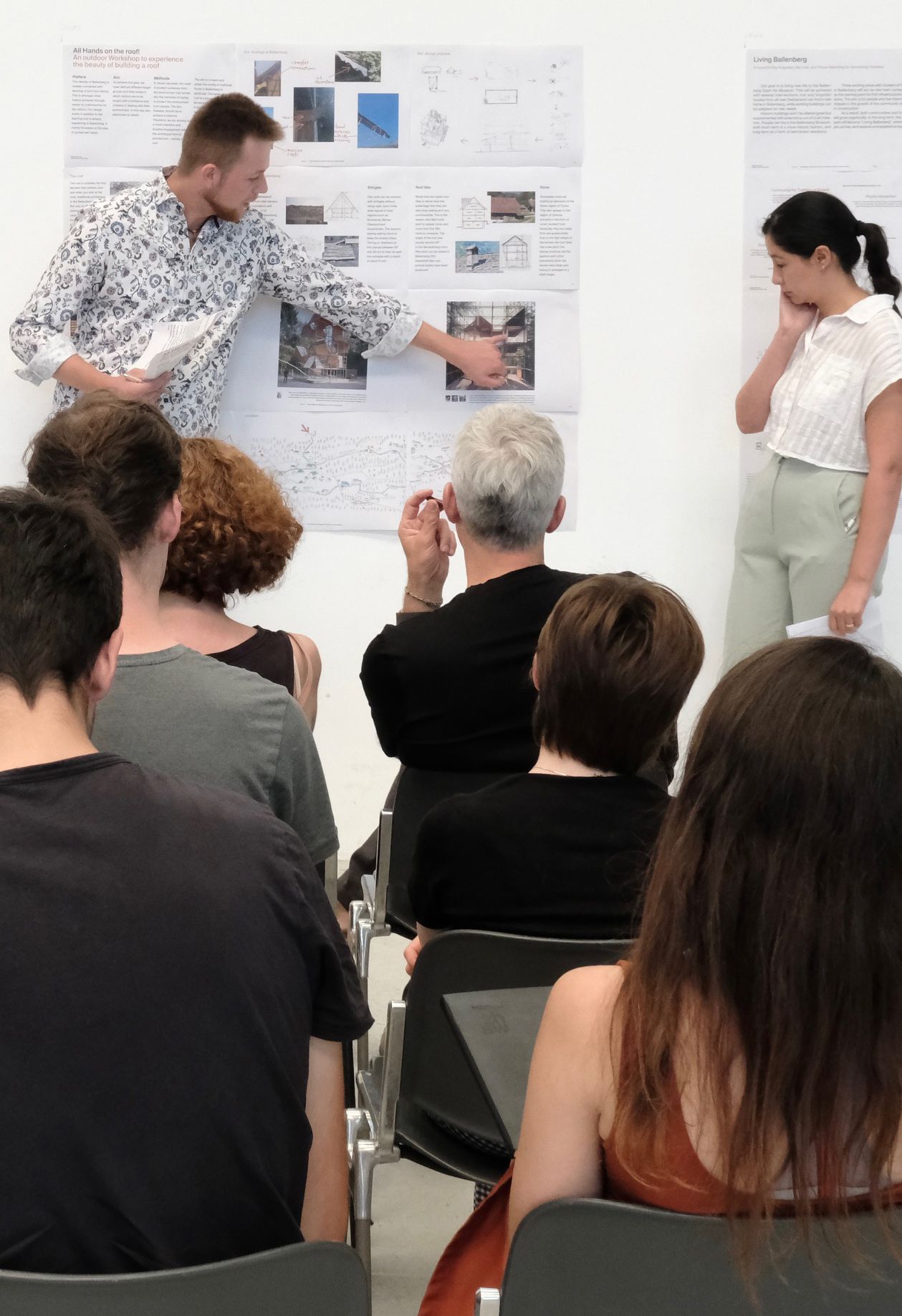
Impressions



Organised by
ZHAW – University of Applied Sciences
School of Architecture, Design and Civil Engineering
Institute of Urban Landscape (IUL)
Guests
Lars Müller, Mario Rinke, Alessandro Tellini, Andrea Frangi, David Klemmer, Catherine De Wolf, Lukas Ingold, Helene Romakin, Andreja Kutnar, Regula Iseli (ZHAW), Stefan Kurath (ZHAW)
Partner School
University of Antwerp (UA)
Wood Industry Partner
ERNE Holzbau AG
Location Partner
Ballenberg Open-Air Museum
Dates
31.08.2024 – 10.09.2024
Related

Value Creation Between Nature and Architecture, ZHAW Studio Urban Project | FS26
MEHRwert HOLZ, Wertschöpfung Holzindustrie
Wood and the City – Wood & Stone, ZHAW Summer School | 30.08.2025 – 07.09.2025

Building with Wood

Wood and the City – Bioregion & Industry, ZHAW Summer School | 02.09.2023 – 10.09.2023