MEHRwert HOLZ
Wertschöpfung Holzindustrie
2025-2026
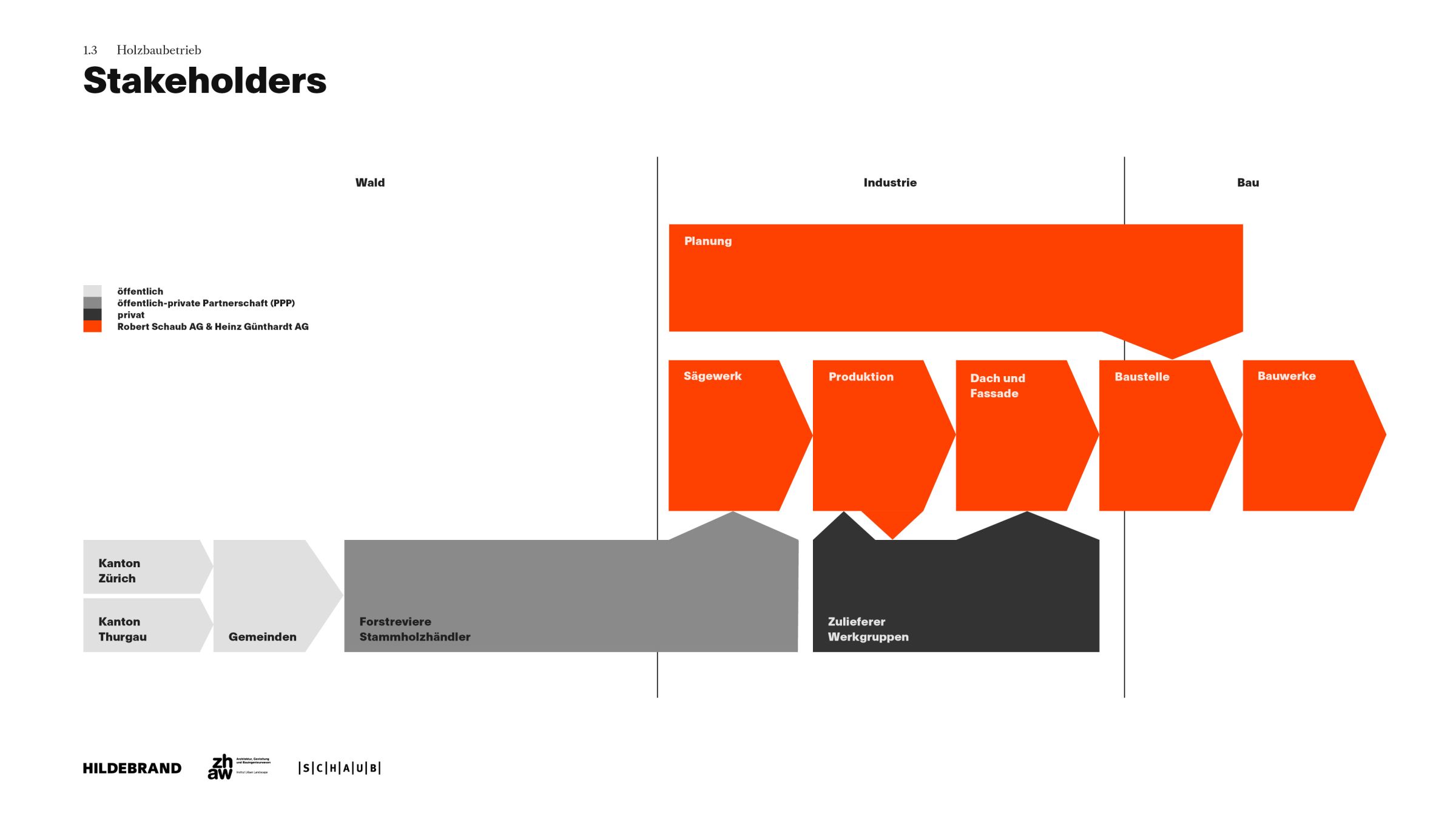
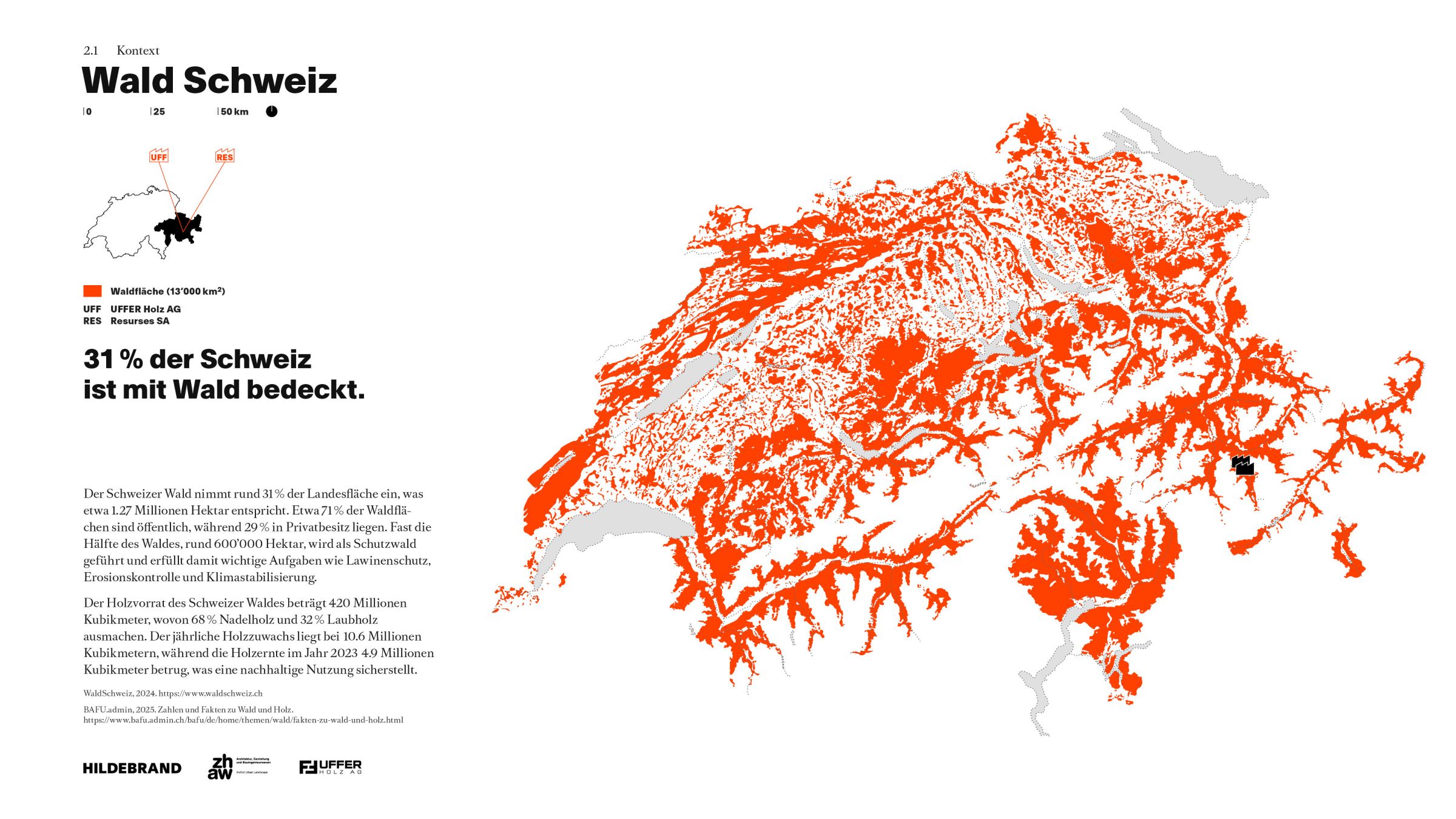
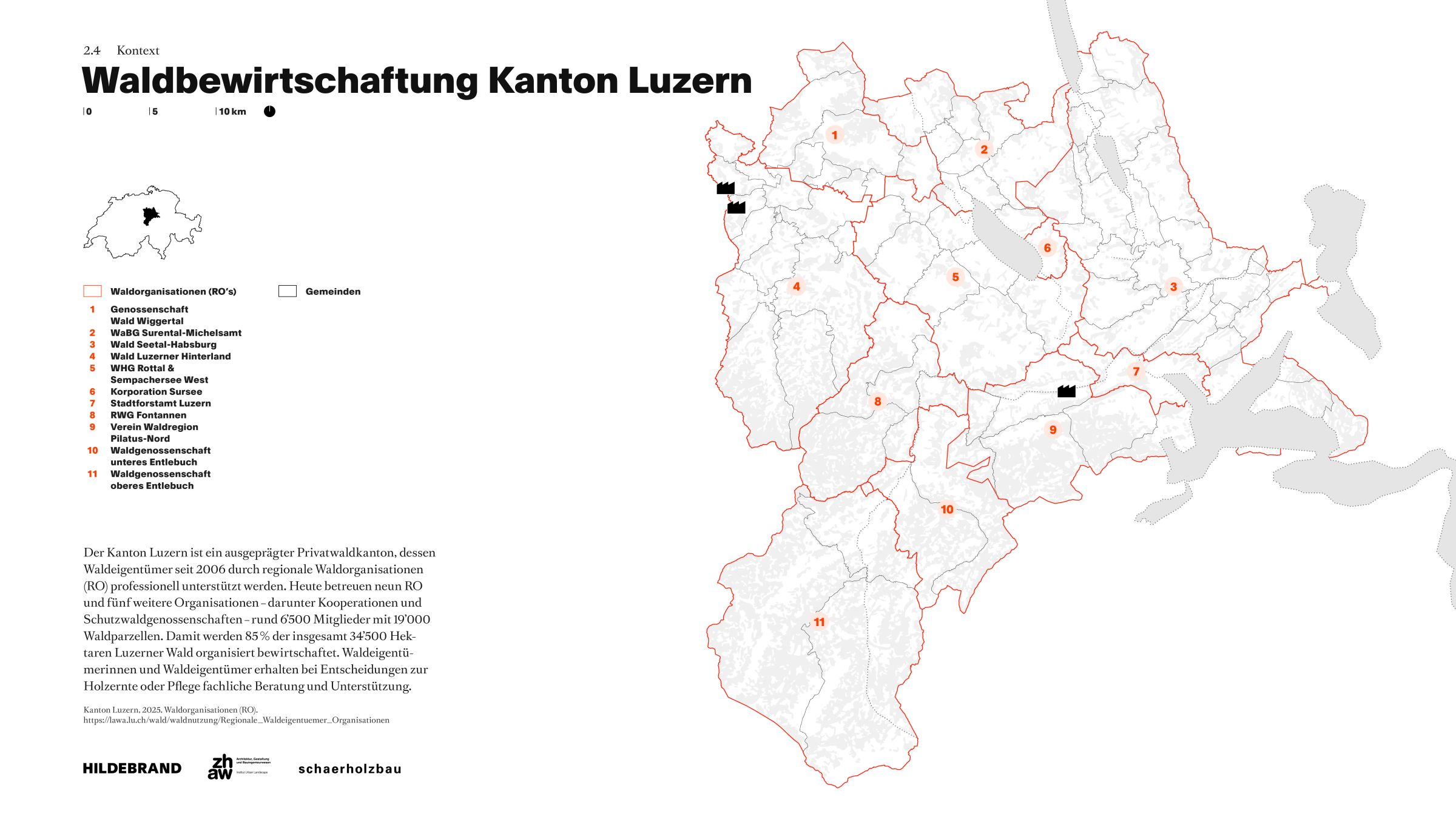
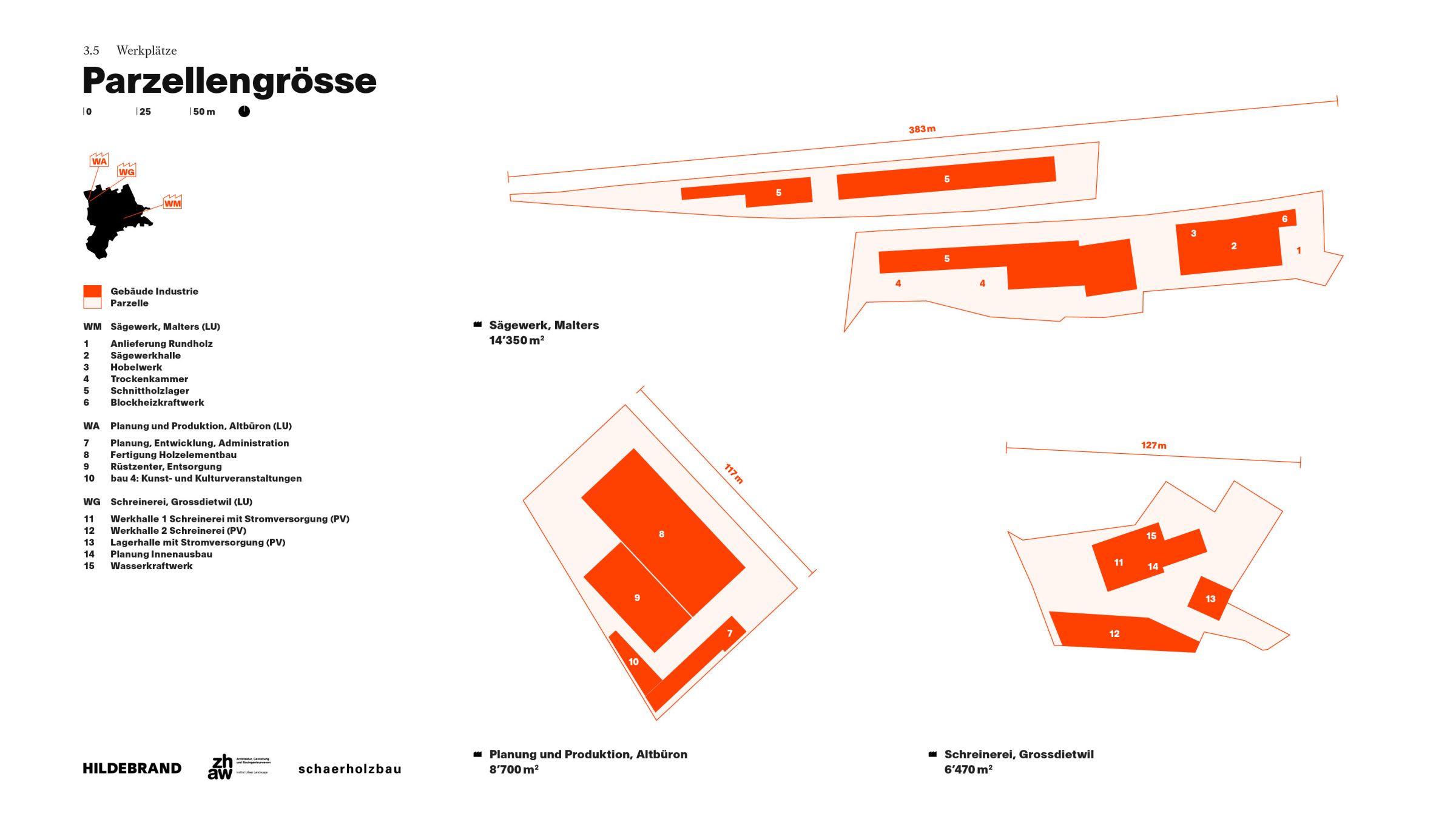
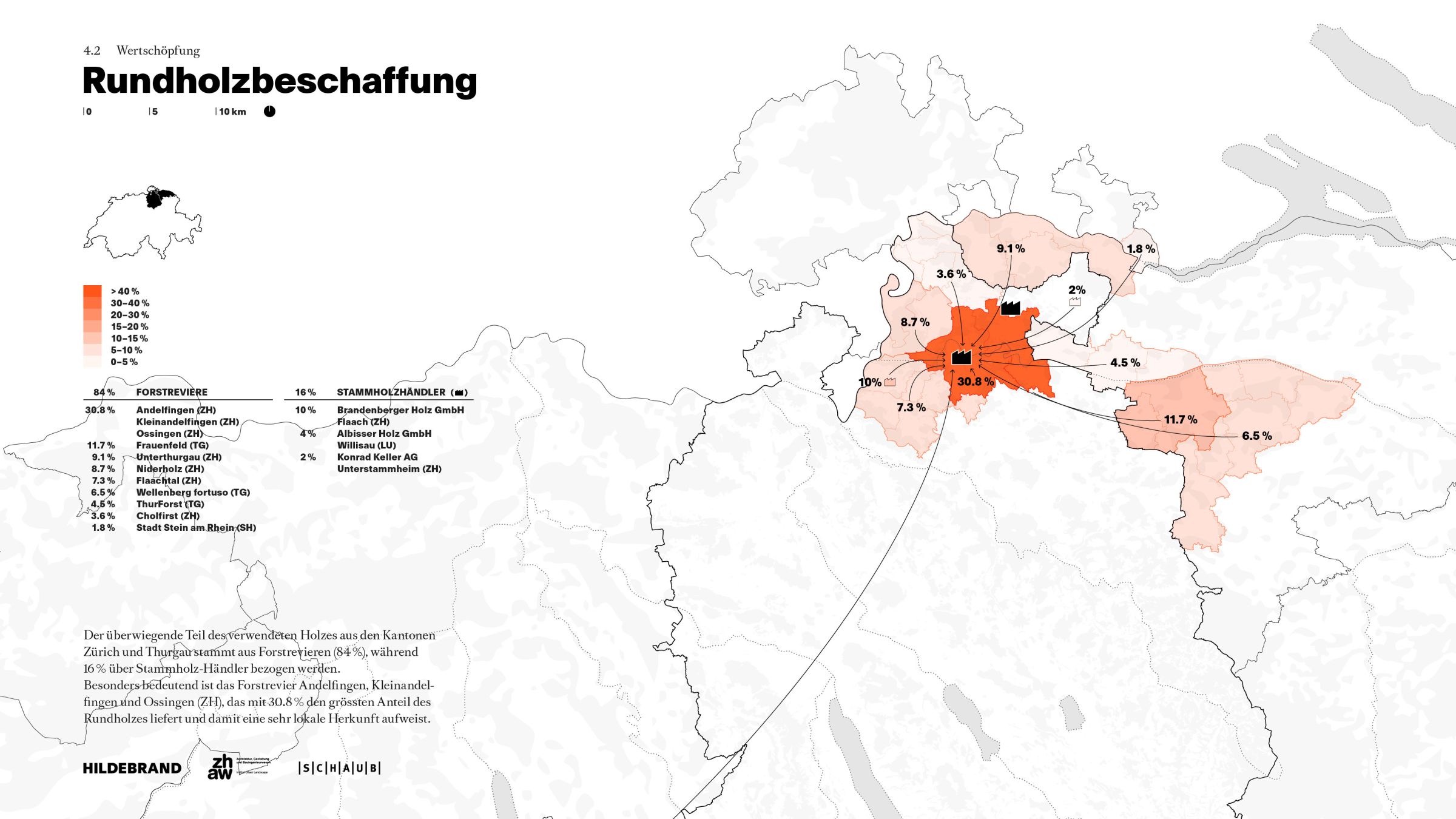
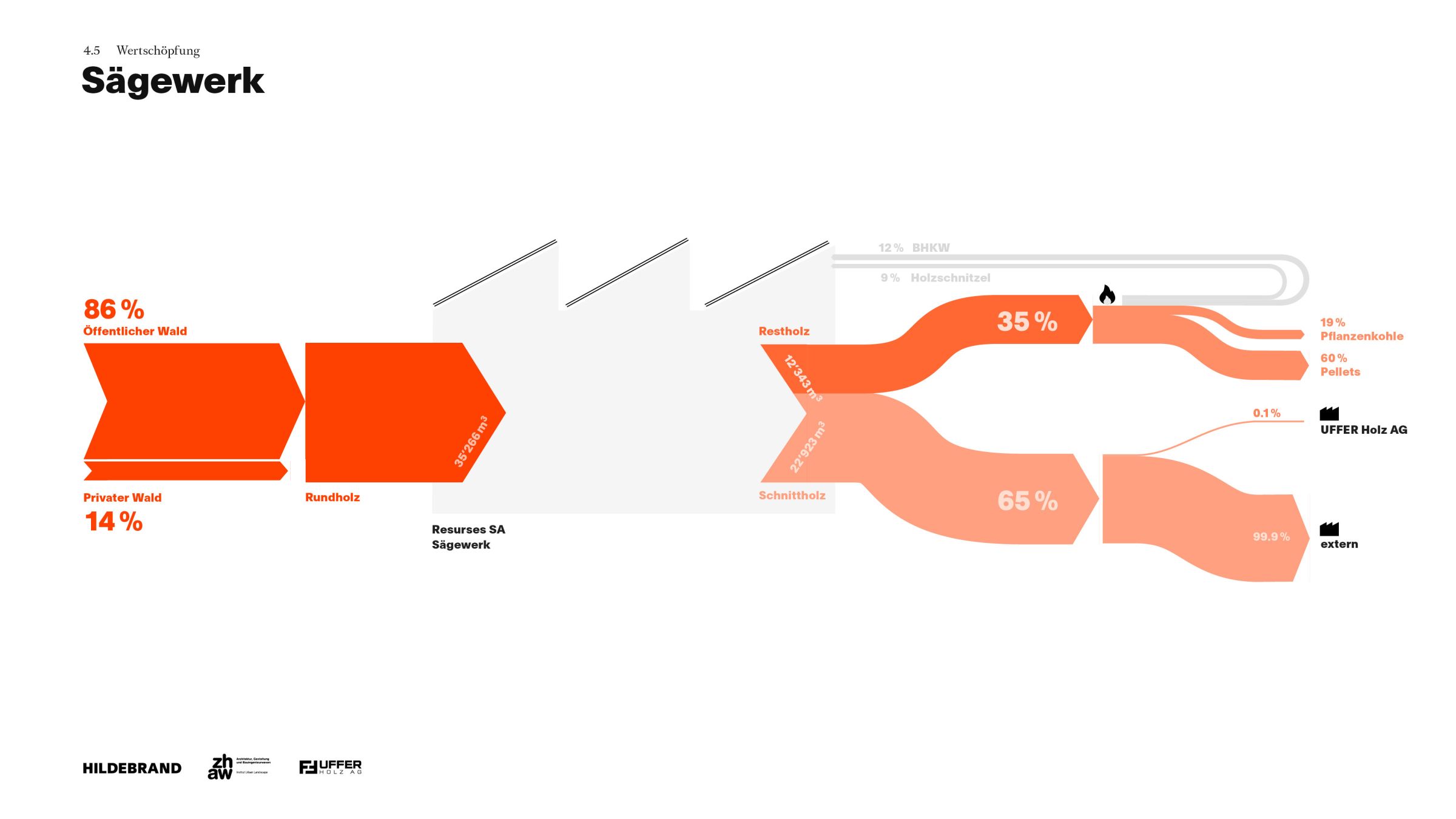
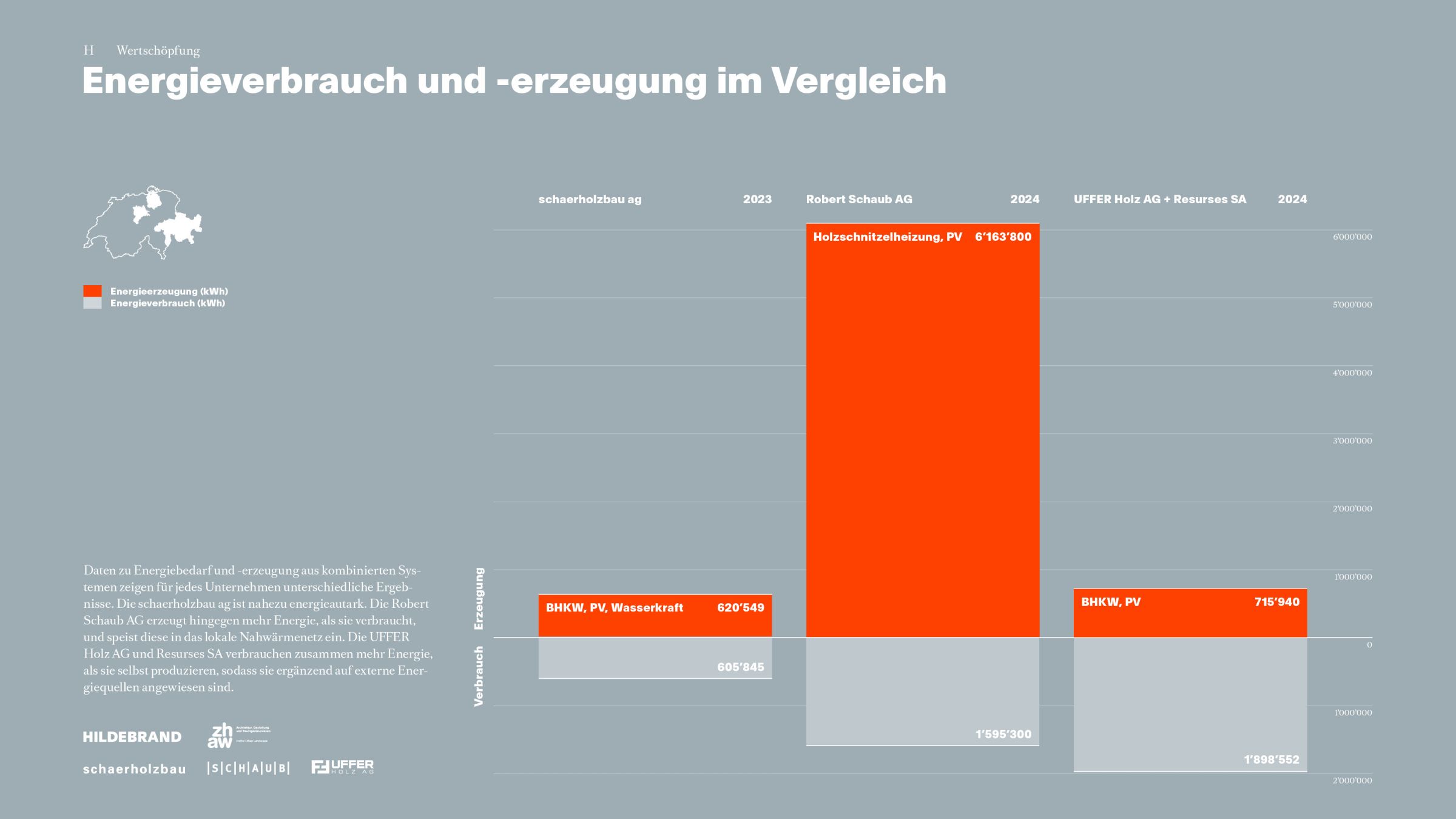
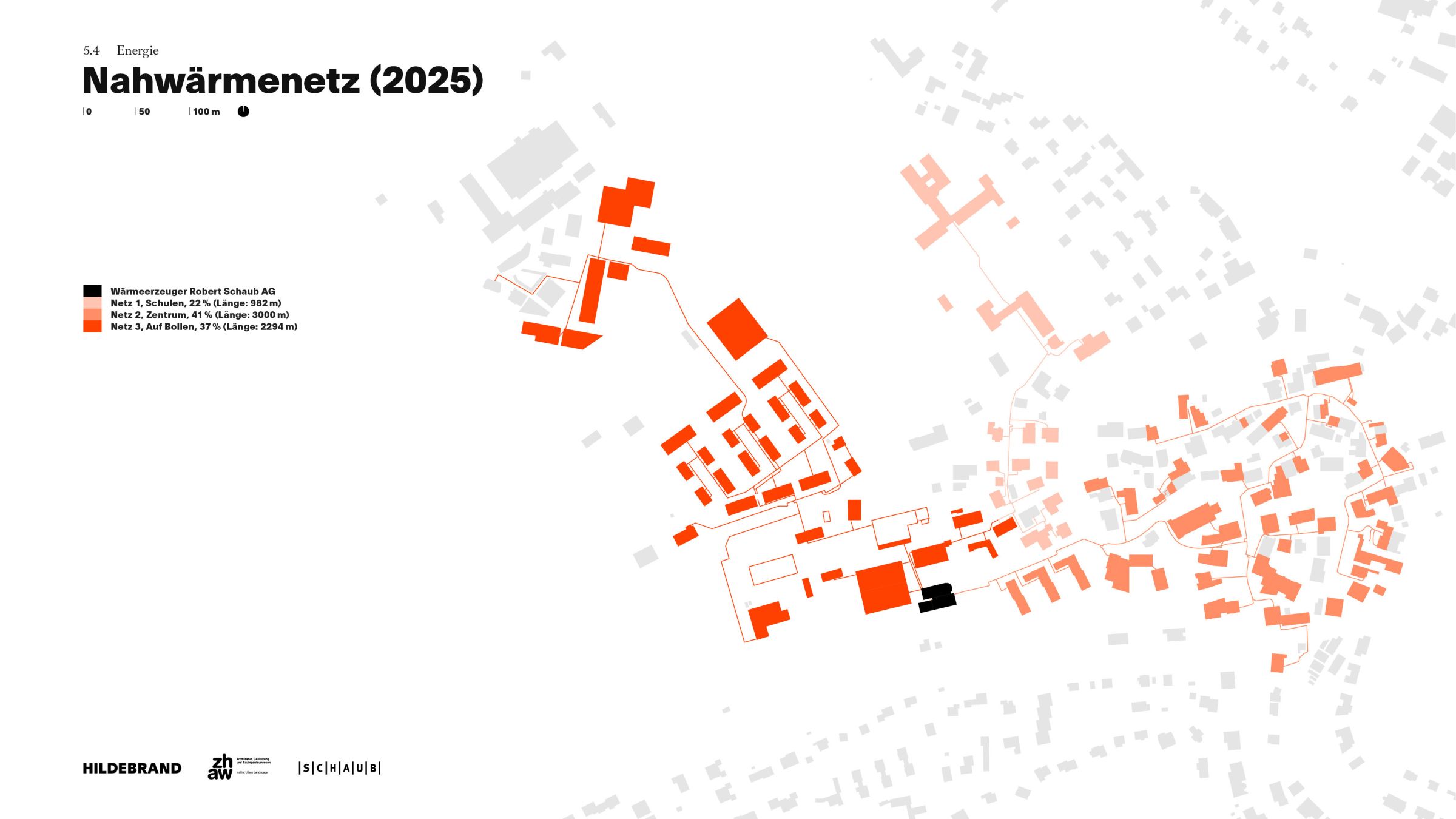
In the face of climate change, resource scarcity, and social inequalities, architecture is increasingly challenged to engage with material processes and their territorial, cultural, and economic impacts. The construction process is becoming just as central as the completed building itself.
Greater attention is being given to questions of production: Where do materials come from, how are they processed, and who is involved? Material choices are not neutral—they shape landscapes, infrastructures, and communities.
The renewed interest in building with timber opens up a broader understanding of these interrelations. As a renewable resource with carbon storage capacity, wood plays a key role in sustainable construction while also offering insights into local production methods and circular systems.
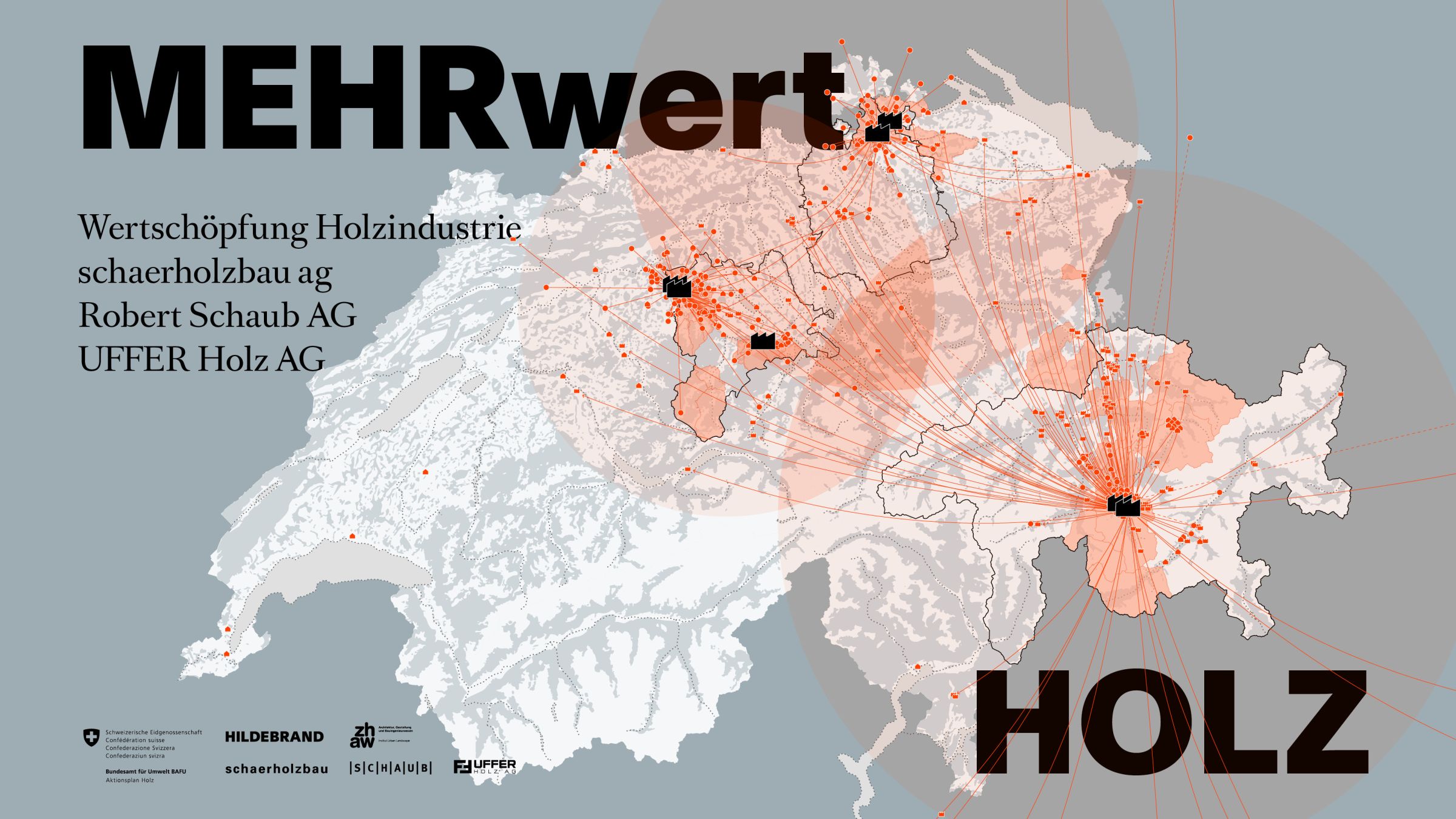
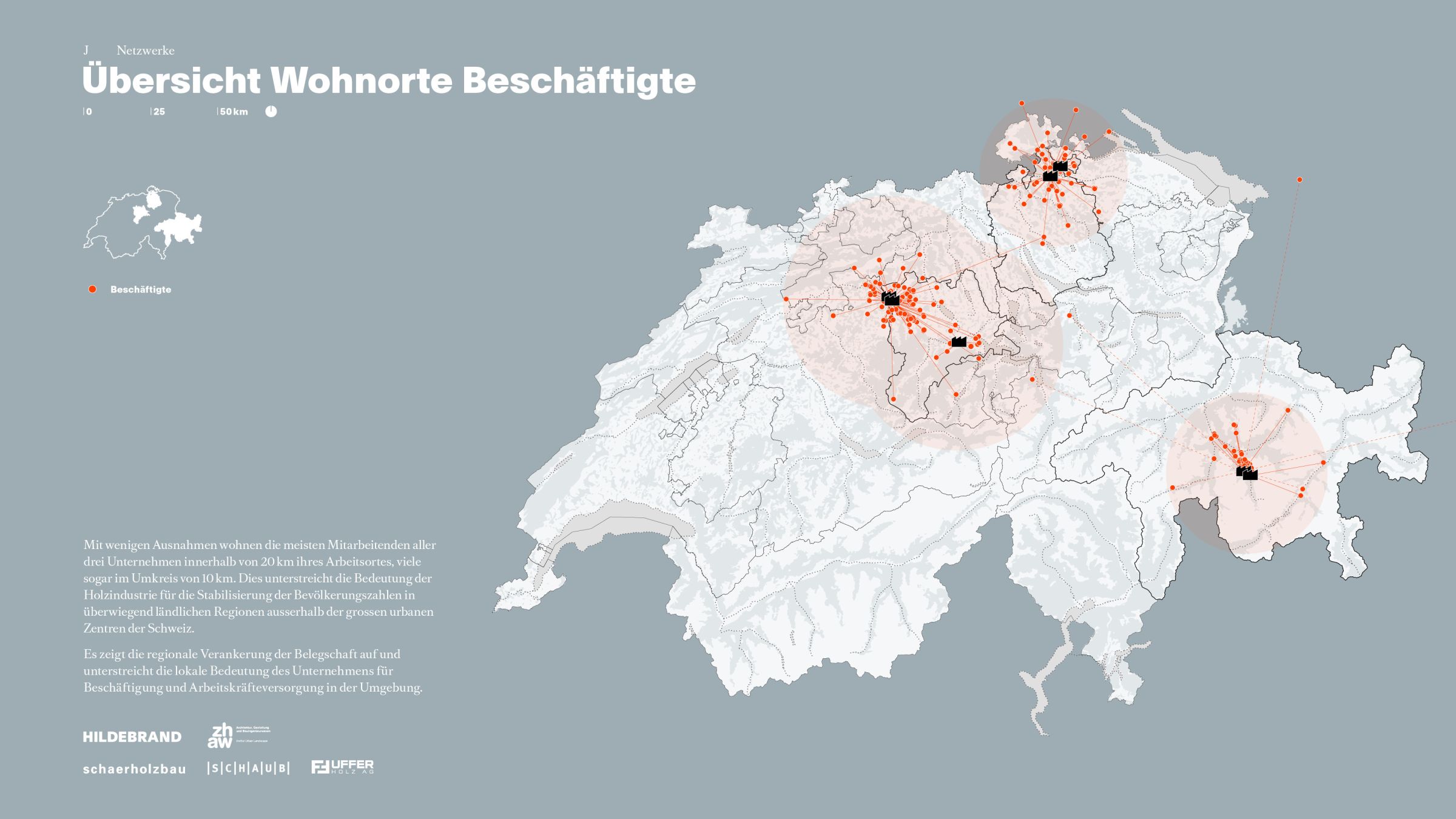
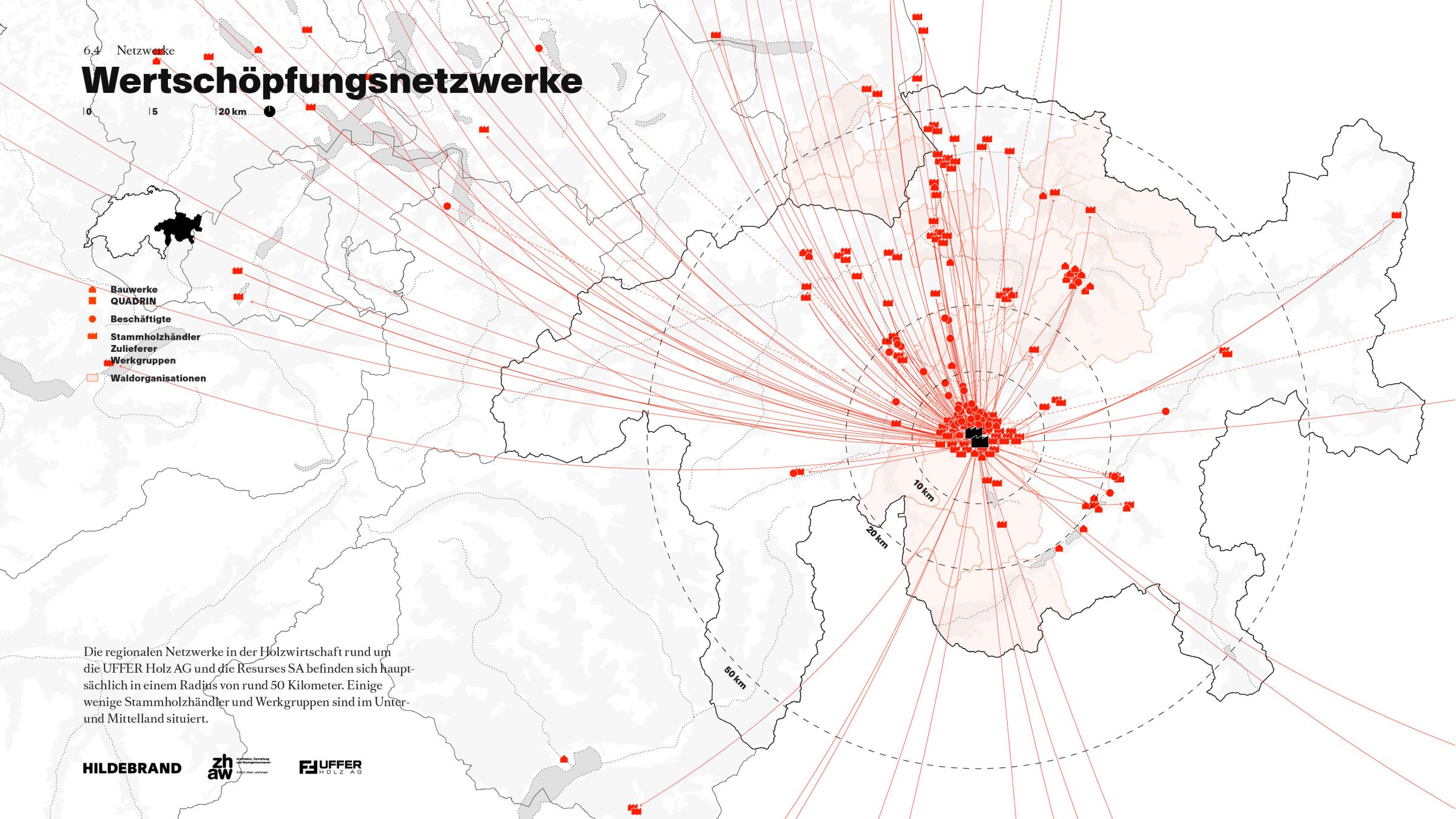
The research project MEHRwert HOLZ traces the journey of timber from forest to built object. Through a bottom-up analysis of three timber construction companies– schaerholzbau ag, Robert Schaub AG und UFFER Holz AG –, it becomes evident how the use of this natural resource not only transforms landscapes but also shapes regional identities and ways of life.
A deeper understanding of the timber value chain can help advance regenerative systems. In this way, architecture becomes a tool for rethinking the use of resources and for envisioning future-oriented forms of building and living.
Initiated by
HILDEBRAND
Supported by
Federal Office for the Environment (FOEN)
Aktionsplan Holz APH 2021–2026
In collaboration with
ZHAW – University of Applied Sciences
School of Architecture, Design and Civil Engineering
Institute of Urban Landscape (IUL)
Stefan Kurath
Timber construction companies
schaerholzbau ag
Robert Schaub AG
UFFER Holzbau AG
Contribution and design
Joséphine Hugo, Megan AdéRelated
Wood and the City – Wood & Stone, ZHAW Summer School | 30.08.2025 – 07.09.2025

Building with Wood

Wood and the City – Care & Repair, ZHAW Summer School | 31.08.2024 – 08.09.2024

Wood and the City – Bioregion & Industry, ZHAW Summer School | 02.09.2023 – 10.09.2023

Touch Wood Exhibition, Zentrum Architektur Zurich
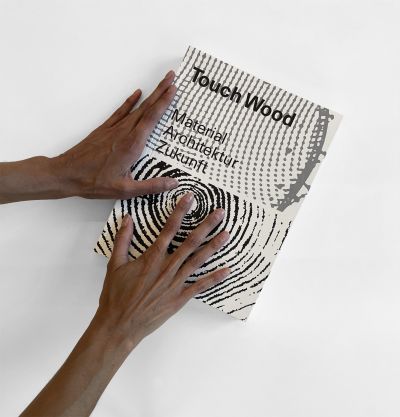
Touch Wood Book, Lars Müller Publishers